How to Disinfect Hair Brushes and Accessories After Lice
Finding head lice in a household can create stress quickly, especially when brushes, hair accessories, hats, and bedding all feel like possible sources of reinfestation. A clear cleanup plan helps families handle the situation calmly and avoid unnecessary work. Hair Fairies will walk you through how to disinfect hair brushes and other accessories step by step after experiencing lice.
Why Hair Brushes And Accessories Matter After Lice
Head lice live on the scalp and feed close to the head. They do not survive long once removed from the scalp, but families should still clean items that touched the hair during an active case.
Some items can hold loose lice or strands of hair with attached nits. Cleaning these items reduces the chance that a louse will return to the hair after treatment. Disinfection also gives the household a clean starting point. Once a lice expert removes live lice and nits, clean accessories help support the results.
Start With the Right Mindset
Families do not need to disinfect the entire home from top to bottom after lice. Lice do not jump, fly, or live in carpets for long periods. Focus on items that had direct contact with the head within the last 24 to 48 hours. This approach saves time and keeps the cleanup manageable.
Hair Fairies recommends pairing home cleanup with a professional head check when families feel unsure. Lice removal in Los Angeles can help confirm whether the infestation has cleared and whether other household members need attention.
Gather All Recently Used Hair Items
Start by collecting every item that touched the affected person’s hair. Check bathrooms, bedrooms, backpacks, sports bags, cars, and laundry baskets.
Common items include:
- Hair brushes and combs
- Hair ties, scrunchies, and ribbons
- Clips, barrettes, and headbands
- Hats, beanies, and scarves
- Helmets and costume accessories
- Pillowcases and recently used towels
Place these items in one area before cleaning. This step helps prevent missed items and keeps cleaned accessories separate from untreated ones.
Remove Loose Hair from Brushes and Combs
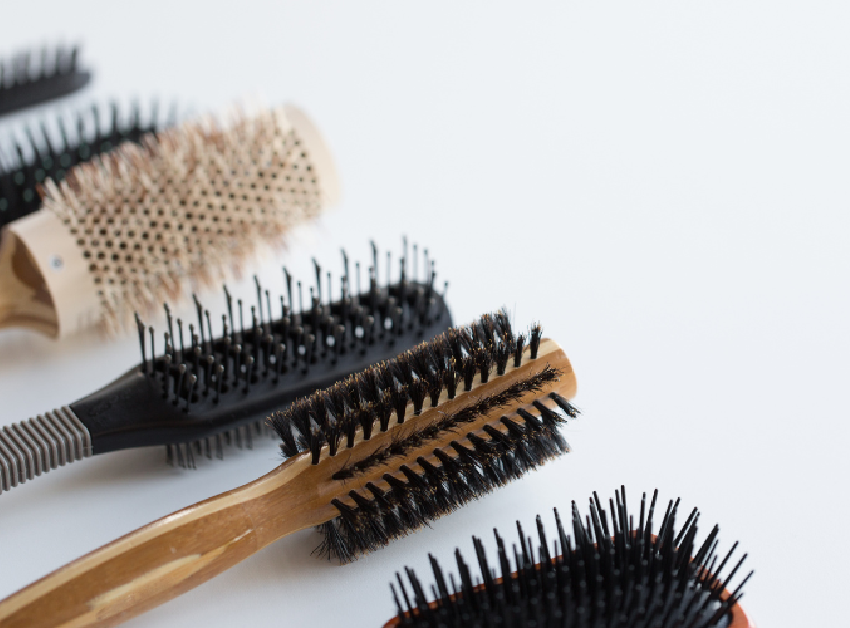
Before disinfecting brushes or combs, remove all trapped hair. Lice and nits can cling to shed hair, so this step matters. Use fingers or another comb to pull hair from the bristles. Throw the hair directly into a trash bag, seal the bag, and place it outside or in a covered bin.
After removing the hair, rinse the brush or comb under warm water. This removes surface debris before the main cleaning step.
Soak Washable Brushes and Combs
Most plastic combs and washable brushes can handle a hot water soak. Fill a bowl or sink with hot water that reaches at least 130 degrees Fahrenheit. Soak the items for 5 to 10 minutes. Keep the bristles and teeth fully submerged so the water reaches every area.
After soaking, wash each item with soap, rinse well, and let it air dry on a clean towel. Do not share the items again until the hair has received proper treatment and a lice expert has confirmed the next steps.
Clean Hair Ties, Scrunchies, and Fabric Accessories
Hair ties, scrunchies, and other hair accessories often stay close to the scalp, so they need attention after lice. Wash fabric items in hot water when the care label allows it.
Place washable items in the laundry with detergent, then dry them on high heat. Heat helps address lice that may remain on fabric.
Wash Hats, Scarves, and Soft Items
Hats, scarves, hoodies, and soft headwear should go through the washer and dryer when fabric care labels allow it. Use hot water, then dry on high heat.
For items that cannot go into the washer, use a dryer cycle on high heat if the material can tolerate it. Dry cleaning also works for certain delicate items.
Items that cannot handle washing or drying can go into a sealed plastic bag for two weeks. Store the bag away from regular household use.
Do Not Forget Helmets and Sports Gear
Sports helmets, bike helmets, dance headpieces, and costume accessories can come into contact with hair. Remove loose hair and wipe hard surfaces with a damp cloth and soap. Pay attention to straps, inner padding, and areas that touch the hairline.
Avoid harsh chemicals unless the manufacturer allows them. Strong cleaners can damage padding, irritate the scalp, or create unnecessary exposure for children.
Keep Cleaned Items Separate
After cleaning brushes and accessories, place them in a clean drawer, bin, or bag. Do not return them to the same uncleaned bathroom cup or accessory basket.
Each household member should use separate brushes, combs, hair ties, and towels during treatment. Sharing hair items can spread lice from one person to another.
Pair Cleaning with Proper Lice Removal
Cleaning accessories helps, but it does not replace thorough lice removal from the scalp. Lice problems continue when live lice or viable nits remain in the hair.
Professional removal gives families a clearer path forward. Hair Fairies technicians check the hair carefully, remove lice and nits, and guide families through realistic home cleanup steps.
Families can also support treatment at home with Hair Fairies lice treatment products. The product line gives households access to tools and formulas designed for lice care between appointments and after professional guidance.
Avoid Common Cleanup Mistakes
Many families overclean after finding lice. Excessive cleaning can waste time and add stress without improving results.
Avoid spraying furniture, carpets, or mattresses with harsh chemicals. Lice need the scalp to survive, and direct hair-to-hair contact causes most spread.
Do not skip head checks for other household members. A clean house will not solve the problem when another person still has an active infestation.
When To Replace Brushes and Accessories
Replacement makes sense when an item cannot handle washing, soaking, drying, or bagging. Families may also choose to replace inexpensive items for convenience.
Brushes with dense padding, cracked handles, or trapped buildup can prove difficult to clean well. Old hair ties, worn scrunchies, and damaged clips can go directly into the trash.
Higher-quality brushes can usually stay in use after careful cleaning. The key comes down to removing hair, using heat when safe, and separating clean items from untreated ones.
How Hair Fairies Can Help
Following the right steps can make lice cleanup more manageable for families. Seek professional removal and follow these steps to disinfect hair brushes and accessories after a lice breakout.
Hair Fairies provides expert lice removal, family screenings, and treatment guidance for households that want professional support. Schedule an appointment with Hair Fairies for careful lice removal and practical next steps that help the household move forward with confidence.