Dandruff vs. Lice: How To Tell the Difference
An itchy scalp can be frustrating, embarrassing, and difficult to diagnose. You might wonder if you simply need a better shampoo or if you’ve picked up head lice. Knowing the difference between dandruff and lice is essential since each requires completely different treatments.
Dandruff is a common condition that causes skin flakes on the scalp, while head lice are tiny parasitic insects. Both cause itching, but that’s where the similarities end. This guide will break down the symptoms, causes, and differences between dandruff and head lice to help you correctly identify the problem and choose the right solution quickly.
A dandruff versus lice comparison starts with looking at the scalp and hair, since itching alone cannot identify the cause. Where the flakes or specks appear can provide better clues.
What is Dandruff?
Dandruff is a chronic scalp condition that causes white or gray flakes of dead skin. It’s not contagious or harmful but can be persistent and difficult to manage. It affects almost half of the adult population worldwide and often flares up during colder months or periods of stress.
Symptoms of Dandruff
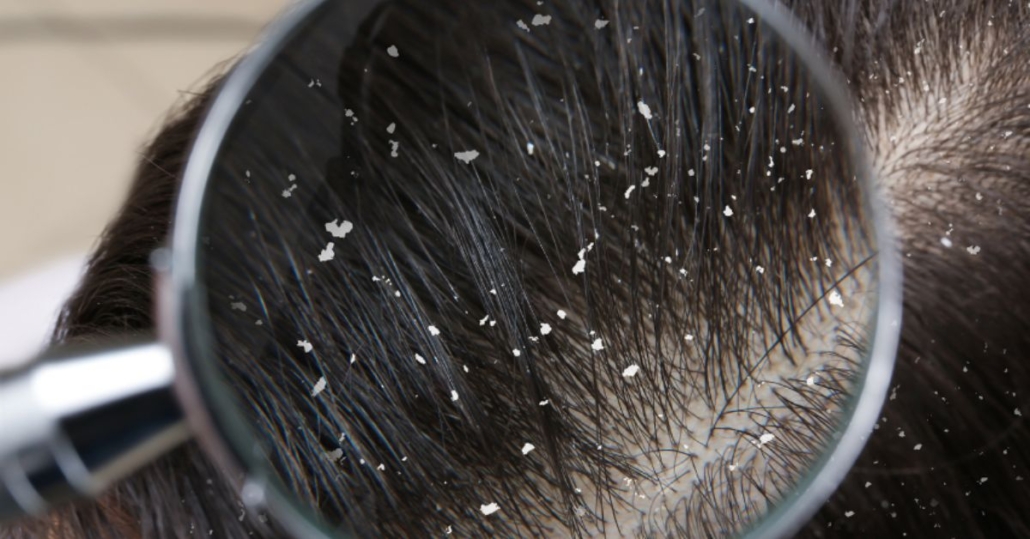
The most obvious symptom is white or gray skin flakes on the scalp or in the hair. These flakes often fall onto your shoulders or clothes, especially if you’re wearing dark colors. Your scalp may feel dry, tight, or itchy, and in some cases, it may look red or irritated.
Dandruff flakes are typically oily and larger than lice eggs. They fall off easily when you touch your hair or scalp.
Causes of Dandruff
Dandruff can stem from several causes, none of which are related to poor hygiene. A yeast-like fungus called Malassezia feeds on scalp oils and, in some people, causes irritation and increased skin cell turnover. These extra skin cells die and shed, appearing as white flakes.
Dry skin, sensitivity to certain hair products, and conditions like eczema or psoriasis can also trigger dandruff. Oily skin may worsen the problem because it provides an ideal environment for Malassezia. Hormonal changes and stress are common triggers as well.
Treatments for Dandruff
Most dandruff cases respond well to medicated shampoos. Look for ingredients like zinc pyrithione, salicylic acid, selenium sulfide, or ketoconazole, which target the root causes. Consistency is key—use these shampoos regularly until symptoms improve, then occasionally for maintenance.
If over-the-counter products don’t work, consult a dermatologist for stronger prescription treatments. Managing stress and keeping the scalp clean can help prevent future flare-ups.
What are Head Lice?
Head lice are small, wingless insects that live on the scalp and feed on blood. They spread easily through direct head-to-head contact and are most common in school-aged children. Having lice doesn’t mean you have poor hygiene, and it can happen to anyone.
Symptoms of Lice
The main symptom of lice is intense itching, caused by an allergic reaction to louse bites. This itching may take four to six weeks to develop after an infestation begins. You might also feel a tickling sensation or notice movement in your hair.
The clearest sign of lice is spotting live insects or their eggs (nits). Adult lice are about the size of sesame seeds and move quickly to avoid light. Nits are small, oval-shaped eggs that stick firmly to the hair shaft near the scalp. They are yellow, tan, or brown when alive and white once empty, which is why people commonly mistake them for dandruff.
Causes of Lice
Lice spread primarily through direct contact with an infested person’s hair, common during school, sleepovers, or sports. They can also spread through shared items like hats, brushes, or headphones, though this is less common.
Treatments for Lice
Treating lice involves killing both the insects and their eggs. Over-the-counter treatments contain ingredients like pyrethrin or permethrin, chemicals , which can be harmful to your scalps, and have mixed results, as many lice infestations are resistant to over-the-counter products.
This is where seeing a professional lice removal service is helpful. Here at Hair Fairies, we provide expert removal services as well as home treatment kits to keep lice from coming back. Don’t forget to wash bedding, clothing, and other items used by the infested person to prevent re-infestation.
Key Differences Between Lice and Dandruff
The difference between lice and dandruff becomes clearer when you examine whether the material is loose or attached to individual hairs.
Appearance
Dandruff flakes are irregular, white or gray, and often oily. They clump together and vary in size.
Lice eggs (nits) are uniform, oval-shaped specks that are yellow, tan, or brown when live and white when empty. Unlike dandruff, nits are firmly attached to the hair shaft and do not flake off.
Location
Dandruff flakes can appear on the scalp, throughout the hair, or on clothes, while lice lay eggs only on the hair shaft, close to the scalp. Lice and nits are often concentrated behind the ears and at the nape of the neck.
Scalp Condition
A dandruff-affected scalp may look dry, red, or scaly, with patches of irritation. A scalp with lice might look normal but may show small red bumps or sores from scratching. These sores can sometimes become infected.
Adhesion to Hair
Dandruff flakes slide easily along the hair and fall off with a gentle shake. Lice glue nits to the hair shaft so that hosts cannot brush them off. Only manual removal with a nit comb can remove them.
If you are wondering, “do lice flake off like dandruff?” check whether the specks move when touched. Dandruff can loosen easily, while nits remain firmly attached to the hair shaft.
How to Check for Lice and Dandruff
Learning how to know if you have lice or dandruff requires checking more than the itch itself. Look for loose flakes, attached nits, or live insects as you work through the hair.
Checking for Dandruff
Part the hair in several places and examine the scalp for dry flakes or oily scales. Rub the scalp gently to see if flakes loosen and fall. Check clothing or shoulders for fallen flakes. If the particles brush away easily, it’s likely dandruff.
Checking for Lice
Use bright light and, if available, a magnifying glass. Wet the hair and apply conditioner to slow down lice. Part the hair in sections and use a fine-toothed comb to check near the scalp, especially behind the ears and at the nape of the neck.
During a dandruff versus lice check, inspect small sections of hair, especially close to the scalp. If you still cannot identify what you are seeing, a professional screening can provide a closer inspection.
Look for movement or eggs stuck to the hair. If a speck doesn’t slide freely, it’s likely a nit. Wipe the comb on a white towel to check for lice or eggs.
When to See a Specialist
f signs of infection like oozing sores develop, consult a professional. Resistant lice may require prescription treatments and professional removal.
For local residents, Hair Fairies offers professional lice removal services at our lice salon in Los Angeles. Their experts manually remove lice and nits without harsh chemicals, ensuring effective relief.
Knowing the difference between dandruff and lice can save you time, money, and frustration. Dandruff flakes fall off easily, while lice eggs stick tightly to the hair. While dandruff responds to medicated shampoos, lice require targeted treatment and manual removal.
Check your scalp or your child’s scalp at the first sign of itching. Use bright light and a comb to inspect the hair near the scalp. If you’re still unsure, seek professional advice for an accurate diagnosis and treatment plan. Acting quickly will help restore comfort and peace of mind.