
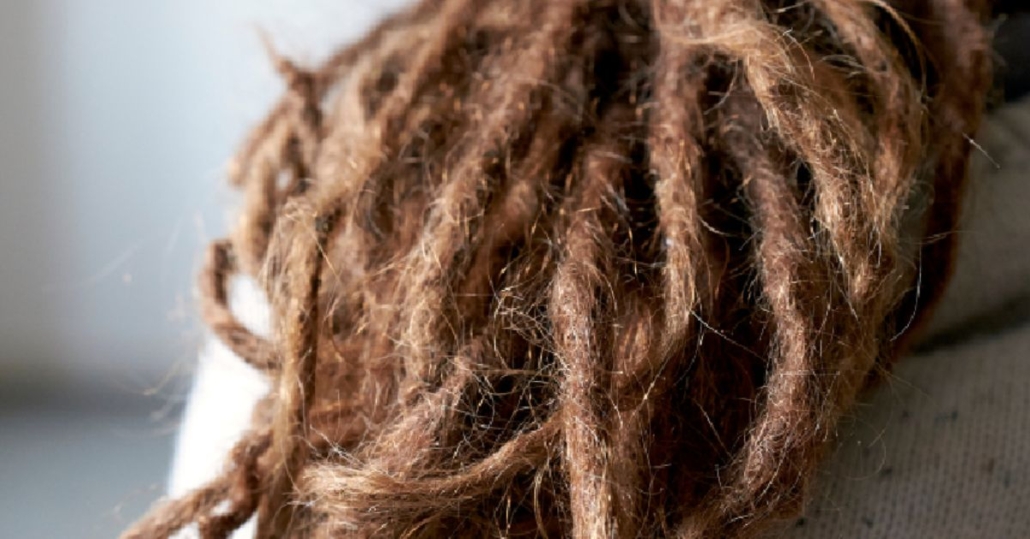
What To Know About Removing Lice From Dreadlocks
When you find lice in dreadlocks, you might feel overwhelmed fast. But lice is an extremely common occurrence, and just like many others, you can get through it and protect the hair you worked hard to grow.
Dreadlocks create unique challenges during treatment. The same things that help locks hold their shape also create spaces where lice can hang on. With the right approach and careful technique, you can clear an infestation while respecting your hair and your time. Keep reading to learn the basics you should know about removing lice from dreadlocks.
Why Dreadlocks Make Lice Harder To Remove
Lice cling to hair close to the scalp, and they move by crawling. In straight or loose hair, you can part, comb, and inspect every section from root to tip. Dreadlocks limit access, which slows down inspection and removal.
Locks also create texture and density. That density makes it easier to miss live lice and harder to spot eggs. Eggs, also called nits, attach to hair shafts. In locks, those hair shafts twist and bundle together, which complicates thorough nit removal.
You also face a higher risk of reinfestation if you miss eggs. When one nit hatches, it can restart the cycle. That reality matters even more with dreadlocks because you may not want to take apart your hair for daily combing.
What We Do First at Hair Fairies
When a client comes in with dreadlocks, we start with a calm, focused assessment. We look at the scalp, the roots near the scalp, and the edges around the hairline and behind the ears. Lice often concentrate in those warmer areas.
We also ask a few practical questions to guide the plan. We ask when itching started, whether anyone else in the home has symptoms, and whether the client used any over-the-counter products. Many OTC treatments create frustration because families apply them repeatedly, and they still do not get full results. Our salon focuses on safe, non-toxic options and meticulous removal, which saves time and reduces repeat stress.
Don’t Rush To Cut Or Shave Your Locs
Many first-time clients assume they must cut their dreadlocks. Hair carries meaning, culture, and personal identity, so don’t rush to this step. Fortunately, you can successfully treat head lice without having to cut your hair, it may just take some extra steps.
What Not To Do When You Find Lice In Dreadlocks
Skip harsh chemicals and repeated applications. Many families try one more round of OTC products when itching continues. That cycle often irritates the scalp and makes it harder to inspect the roots clearly. It also drains your energy when you already feel stressed.
Avoid heavy oils or home mixtures that coat the hair and scalp. They can make it harder to see movement and harder to separate new growth near the root. They also make cleanup harder for you and for any professional you may visit.
Don’t share hats, bonnets, scarves, pillows, hair accessories, or headphones. Lice spread through direct head-to-head contact most often, but shared items can still play a role in close settings.
How Professional Removal Works With Dreadlocks
In our salons at Hair Fairies, we focus on three priorities: confirm what we see, remove what we find, and prevent the next round.
First, we confirm the infestation. Dandruff, lint, and product buildup can look like nits. A clear diagnosis reduces panic and stops unnecessary treatments.
Next, we use a careful process to remove live lice and address eggs as thoroughly as possible. Dreadlocks require patience and precision at the root area. Our experts work in small sections, checking each lock at the scalp line. We also check the loose hair between locks and around the edges, since lice can travel there.
Finally, we plan prevention and follow-up. Even excellent removal needs support at home. You need a clear plan for household checks, laundry, and reducing head-to-head contact until everyone clears.
Can You Treat Dreadlocks At Home?
Some people can manage a mild case at home, especially if they catch it early and they feel comfortable inspecting the roots daily. Dreadlocks raise the difficulty, so we recommend a professional check before you try DIY.
If you feel unsure, professional care often costs less than repeated products, missed work, missed school, and weeks of stress. Many clients come to us after they try home treatment several times.
If you come to visit our professional removal team at Hair Fairies, we often recommend follow-up treatments with our home care kits to help you make sure all lice are removed from your dreadlocks.
How To Protect Your Scalp And Keep Locs Clean During Treatment
Scalp care matters during any lice situation, but dreadlocks need extra attention. Scratching can break the skin and increase irritation. Keep nails short, and use gentle cleansing that does not leave heavy residue.
If you use styling products, pause them during treatment and follow-up checks. Build-up can hide small nits near the root. A cleaner root area supports more accurate inspections.
What To Do With Your Home, Bedding, And Accessories
You do not need to bag your entire home, and you do not need to deep-clean every surface. Focus on what touches heads.
Wash pillowcases, sheets, and frequently worn hats or scarves in hot water when the fabric allows it, then dry on high heat. If you cannot wash an item, seal it in a bag for a period long enough to stop surviving lice. You can also choose to avoid using the item during that window.
Clean brushes, clips, and ties. If you use a bonnet, head wrap, or loc cap, treat it like a hat. Keep personal items separate while you clear the infestation.
How To Handle Family Spread And School Notifications
Lice often affect more than one person in a household. Experts recommend you check everyone who shares a home, especially children and close caregivers. You can also alert close contacts who may have had head-to-head contact, like sleepover friends.
If a child attends school or daycare, follow their guidance for return policies. Many schools allow return after treatment, but policies vary. A fast, thorough response helps reduce spread and helps your child feel comfortable again.
When To Call a Professional for Lice in Dreadlocks
Call for professional help if you see live lice, if itching persists after you try home steps, or if you cannot inspect the roots reliably. Call if multiple family members have symptoms, since coordination matters.
We also recommend professional help if you feel anxious or exhausted. Lice create a lot of emotional stress. You deserve support that feels steady and judgment-free.
If you need lice removal in Sacramento, CA, Hair Fairies can help you protect you or your child’s dreadlocks and get back to normal quickly. We use safe, non-toxic methods, and our trained technicians handle the details with care.
If you found lice in dreadlocks and you want a clear plan today, contact Hair Fairies to schedule an in-salon visit or ask about mobile care. We’ll confirm what’s going on, walk you through next steps, and help your family feel calm and confident again.