
What’s the Difference Between Lice and Scabies?
Experiencing scalp itchiness? It could stem from a variety of reasons, including a parasitic infestation. Two common causes are lice and scabies, which are distinct conditions despite both being parasitic skin infestations. Although both are contagious and spread through close contact, their symptoms and treatments differ.
Correctly identifying whether you have lice or scabies is crucial for effective treatment, as misdiagnosis can prolong discomfort. This guide will explore the differences between lice and scabies, their transmission, and treatments to help you identify the symptoms and seek the right care.
What are Lice?
Lice are tiny, wingless insects that feed on human blood. The most common type, head lice, infests the scalp and hair, and is especially prevalent among school-aged children.
Adult lice are visible to the naked eye, about the size of a sesame seed, and tan or grayish-white. Their eggs, called nits, are tiny white or yellow specks attached firmly to hair shafts.
The main symptom is intense itching on the scalp, neck, and ears, caused by an allergic reaction to louse saliva. You might also feel something moving in your hair. Scratching can lead to sores or small red bumps.
Lice spread mainly through direct head-to-head contact, common during children’s play. Sharing items like hats, brushes, or headphones can also transmit them, though less frequently. Lice infestations are not a sign of poor hygiene, despite common myths suggest.
What are Scabies?
Scabies is a skin condition caused by microscopic mites (Sarcoptes scabiei) that are invisible to the naked eye. The female mite burrows under the skin to lay eggs, which triggers an immune response and severe itching.
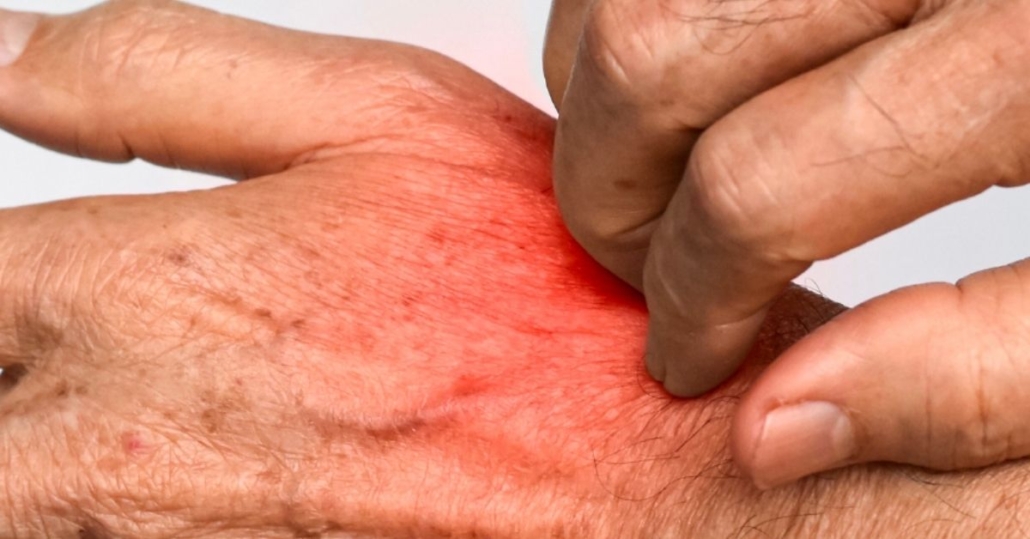
The intense itching from scabies typically worsens at night. A pimple-like rash or tiny blisters may appear, but the most distinctive sign is thin, irregular tracks on the skin from the burrowing mites. These are often found between the fingers, on wrists, elbows, armpits, or around the waist.
In infants, scabies infestation can affect the head, face, neck, palms, and soles. In adults, symptoms rarely appear above the neck. Symptoms can take four to eight weeks to appear.
Scabies spreads primarily through prolonged, direct skin-to-skin contact, often among household members or sexual partners. It can also spread by sharing infested bedding, clothing, or towels, and outbreaks are common in crowded places like nursing homes.
Key Differences Between Lice and Scabies
Distinguishing lice from scabies involves examining symptoms and infestation locations. The key difference is visibility: you can see adult lice and their nits on hair shafts, while scabies mites are microscopic and invisible without magnification.
The itch location also differs. Head lice cause itching on the scalp, neck, and behind the ears, while scabies leads to widespread, intense itching, often disrupting sleep, and affects areas below the neck.
Skin reactions vary as well. Lice bites create small red bumps and sores on the scalp, while scabies causes a rash with blisters and raised burrow tracks, typically found in skin folds like between fingers or behind knees.
Transmission patterns are another distinction. Lice spread through head-to-head contact by crawling between hair strands. Scabies, on the other hand, requires prolonged skin-to-skin contact and is common among close contacts like family or partners. Scabies mites can survive off the body for 2-3 days, which is slightly longer than lice.
Diagnosis and Treatment Options
Diagnosing lice involves visually inspecting the scalp and hair with a fine-toothed comb to identify live lice or nits. Finding a live nymph or adult louse confirms the diagnosis, while nits alone may indicate a past infestation, so always check for movement first.
Many varieties of lice are resistant to over-the-counter treatments, which is why experts encourage those dealing with lice to see a professional removal clinic. If you’re looking for immediate relief, consider home treatment kits from Hair Fairies for cleansing and removal instruments.
Scabies diagnosis requires a doctor to examine the skin for burrow tracks and rashes. To confirm mites, they may scrape a small skin sample and examine it under a microscope to detect mites, eggs, or fecal matter.
Scabies always requires prescription scabicides, usually in the form of creams or lotions you will apply from the neck down for 8–14 hours before washing off. To prevent re-infestation, you’ll need to treat everyone in the household simultaneously.
Prevention Strategies
To prevent lice, focus on avoiding direct head-to-head contact. Teach children not to bump heads during play, group reading, or sleepovers. While the risk is low, it’s also wise to avoid sharing combs, brushes, hats, and scarves. Regularly checking your child’s scalp can help catch an infestation early.
Preventing scabies involves avoiding direct skin-to-skin contact with an infected person. If someone in your household has scabies, avoid close contact and do not share clothing, bedding, or towels until they complete treatment.
Decontamination is crucial for both conditions. Wash all clothing, bedding, and towels used by the infected person in hot water and dry them on a hot cycle. Seal items you cannot wash in a plastic bag for at least 72 hours. Vacuum furniture and carpets to remove any parasites that may have fallen off. Fumigant sprays are generally unnecessary because the parasites cannot survive long without a human host.
Communication is also key. Inform your child’s school or daycare if you detect lice or scabies. This allows them to alert other parents and helps stop the outbreak from spreading.
Understanding the Recovery Process
Recovering from lice or scabies takes patience and diligence. With lice, you need to see a head lice removal expert as soon as possible for treatment. Continue combing the hair daily for two weeks to ensure all nits are gone.
Scabies itching often continues for several weeks even after the mites are dead. This happens because the body still reacts to the mite debris left in the skin. Doctors may prescribe antihistamines or steroid creams to help manage this lingering itch. If new burrows or rashes appear, you may need a second round of treatment.
Dealing with parasites can be emotionally draining. The stigma associated with these conditions often causes embarrassment or anxiety. Remind yourself that anyone can get lice or scabies regardless of cleanliness. Seeking support and following treatment guidelines leads to a successful recovery.
Take Action for Healthy Skin
Recognizing the specific symptoms and differences between lice and scabies allows for faster and more effective intervention. Accurate identification prevents the frustration of using the wrong remedy.
Consult a healthcare professional if you are unsure about the cause of your itching. They can provide a definitive diagnosis and prescribe the most appropriate medication. If you’re looking for professional head lice treatment in Los Angeles, CA, visit Hair Fairies today.
With the right approach, you can eliminate these parasites and restore comfort to your life.