What To Do When Head Lice Keeps Coming Back

What To Do When Head Lice Keeps Coming Back

When head lice return repeatedly despite your best efforts, it can be difficult to decide what to do next. While head lice don’t carry diseases, recurring infestations create stress, frustration, and endless cycles of treatment that disrupt life.

Many families struggle with persistent infestations because treating head lice requires more than just applying a special shampoo once. Success depends on thorough treatment, proper environmental cleaning, and consistent prevention strategies that address all sources of re-infestation.

The good news is that recurring head lice can be stopped with the right approach and knowledge. Here’s exactly what to do if head lice keep coming back and how to prevent them in the future.

Why Head Lice Returns

Head lice often return due to incomplete treatments or missed steps in the eradication process. Understanding the common reasons for re-infestation is crucial in breaking the cycle and achieving long-term relief.

Incomplete Treatments

The most common reason head lice return involves incomplete treatment of the initial infestation. Home treatments for lice can often be ineffective and even harmful if not used properly. Additionally, improper use of these treatments can cause skin irritation or other unwanted side effects, making them a risky choice for dealing with lice.

Manual removal of eggs, called nits, plays a crucial role in successful treatment. These tiny eggs attach firmly to hair shafts close to the scalp and can survive many chemical treatments. Without meticulous combing from professionals with the proper tools, viable eggs remain and hatch into new lice.

Resistance to Over-the-Counter Treatments

Many head lice populations have developed resistance to common over-the-counter treatments. These chemical treatments may kill some lice but leave resistant ones alive to reproduce.

When treatments fail to eliminate all lice, survivors quickly repopulate the scalp. This resistance explains why some families try multiple store-bought treatments without success, leading to prolonged infestations that seem impossible to eliminate.

Re-infestation from Close Contacts

Head lice spread easily among family members, classmates, and close friends through direct head contact. Even after successful treatment, exposure to untreated individuals can cause immediate re-infestation. Children often share close spaces during play, sports, or sleepovers, creating opportunities for lice to move between heads.

Schools and childcare centers are also sources of recurring exposure if affected children don’t seek treatment. Without coordinated treatment efforts, children continue passing lice back and forth, making individual treatment efforts ineffective.

Improper Cleaning of Environments or Accessories

While head lice cannot survive long away from human heads, they can briefly live on items that touched infested hair. Hats, hairbrushes, pillowcases, and car seats can harbor live lice for short periods. Using contaminated items can reintroduce lice to recently treated hair.

Many families focus solely on treating hair while neglecting environmental cleaning. This oversight allows lice from contaminated items to restart infestations, especially when multiple family members share accessories or living spaces.

Environmental Measures

Proper environmental measures are essential to eliminate lice and prevent re-infestation. By addressing areas where lice may survive off the scalp, you promote an effective and lasting treatment.

Wash and Dry Bedding, Clothing, and Hair Accessories

Hot water washing followed by high-heat drying effectively kills most lice and eggs on washable items. Wash all bedding, clothing, and fabric hair accessories that contacted infested heads during the 48 hours before treatment with our nit zapping laundry detergent. Water temperatures above 130°F combined with dryer heat above 140°F should help eliminate lice that are living on washable surfaces . It’s important to note that this step does not get rid of all lice. Some super lice may survive, so in addition to washing these items we recommend storing them in plastic bags until you have the all clear on the infestation in your home.

We also recommend this method for items you cannot wash. Seal any items that are not washable in plastic bags for two weeks. This timeframe exceeds the survival period for lice away from human heads and ensures any remaining parasites die before you use the items again.

Vacuum Carpets, Upholstery, and Car Seats

Thorough vacuuming removes lice and eggs that may have fallen from infested heads onto furniture and carpeting. Focus on areas where affected individuals spent time, including beds, couches, car seats, and carpeted play areas. Empty vacuum bags or containers immediately after cleaning to prevent any surviving lice from escaping.

Steam cleaning upholstered furniture and car seats provides additional protection by using heat to kill any remaining lice. The combination of vacuuming and steam treatment reduces reinfection risks.

Treatment Options

Professional lice removal services offer expertise and specialized treatments that often succeed where home remedies fail. Our clinics use proven techniques, safe and natural products, and thorough removal processes that eliminate lice and eggs in single visits. Our t rained Hair Fairies can identify resistant lice and adjust treatment approaches accordingly.

Hair Fairies clinic offers lice removal in Los Angeles that specializes in safe, effective techniques and proven methods that eliminate infestations quickly. Our experienced team provides thorough treatment and ongoing support to ensure lice don’t return, offering families peace of mind and lasting solutions.

Prevention Tips

Preventing head lice is an essential step in maintaining a lice-free environment for your family. By following a few simple precautions, you can significantly reduce the risk of future infestations.

Avoid Head-to-Head Contact

Teaching children to avoid direct head contact during play, sports, and social activities significantly reduces lice transmission risks. While this can be challenging for young children who naturally play closely together, awareness helps them make better choices.

Encourage activities that maintain personal space while still allowing social interaction and fun. Parents should also model appropriate behavior by avoiding head contact during family activities and teaching older children to help younger siblings understand these boundaries.

Don’t Share Personal Items

Establishing no-sharing policies for personal items, especially in high-risk transmission areas such as school and camps, helps prevent lice transmission through contaminated objects. Hats, hair accessories, combs, brushes, and headphones should never be shared between individuals. Label personal items clearly and teach children to recognize their own belongings.

Create separate storage areas for each family member’s personal items to prevent accidental sharing. This organization makes it easier for children to identify their belongings and reduces the temptation to borrow items from siblings or friends.

Regular Lice Checks

Weekly head checks allow early detection of lice before infestations become established. Use good lighting and a fine-toothed comb to examine the scalp, particularly around the ears and neckline where lice prefer to live. Look for live lice, eggs attached to hair shafts, or signs of scratching that might indicate infestation.

Early detection makes treatment much easier and more effective. Small infestations respond better to treatment and pose less risk of spreading to other family members or classmates.

Recurring head lice infestations end when families commit to thorough treatment and comprehensive prevention strategies. Success requires knowing what to do when head lice keep coming back, from environmental cleaning to professional treatments. Half-measures and shortcuts only prolong the frustration and allow lice to return stronger than before.

Remember that professional help from Hair Fairies is also here when you need it. Don’t delay—contact us at the first sign of lice to prevent them from spreading or reinfesting your family. Expert intervention can break persistent infestation cycles and provide the knowledge needed to prevent future problems, giving your family the lasting relief you deserve.

A Guide to Properly Combing Lice and Nits out of Hair

A Guide to Properly Combing Lice and Nits out of Hair

If you or a child are experiencing head lice but can’t seek professional help right away, you might feel like you’re out of options. While home remedies and treatment techniques can be harmful and less effective than professional treatment, knowing how to look for and comb lice is a great place to start. Learning proper combing techniques can help you manage this common childhood issue while you seek professional treatment.

Manual removal through careful combing requires patience and the right approach. This guide will walk you through each step of the lice and nit combing process, from gathering supplies to aftercare, helping you feel more confident as you tackle this challenge. Just remember that while home combing can provide temporary relief, professional treatment offers the most thorough and effective solution.

Gather Your Supplies

Gathering the right tools makes the combing process more effective and less stressful for everyone involved. You’ll need a high-quality metal lice comb with teeth spaced no more than 0.3 millimeters apart, as plastic combs often lack the precision needed to catch nits. Keep a spray bottle nearby to keep hair damp throughout the process.

White conditioner makes a good lubricant for easier combing. You’ll also need several clean towels, paper towels for wiping the comb, and a bowl of warm soapy water for rinsing. Good lighting is essential, so position yourself near a bright lamp or window where you can clearly see the scalp and hair strands.

Prepare the Area

Choose a comfortable space where your child can sit still for an extended period. Cover the surrounding area with towels or newspapers to catch falling hair, lice, or other debris. Keep your supplies within easy reach for efficient combing.

Position a chair in front of a mirror if possible, as this helps you see different angles of the head. Providing your child with a tablet or their favorite book can help keep them calm and cooperative during the process.

Wet and Condition the Hair

Start with clean, damp hair rather than completely wet hair, as excessive moisture can make it harder to spot nits. Apply a generous amount of white conditioner throughout the hair, focusing on areas close to the scalp where nits typically attach. The conditioner helps the comb glide through hair more easily.

Work the conditioner through with your fingers, ensuring every strand is coated. This step makes combing more comfortable and helps slow down any live lice, making them easier to catch.

Section the Hair

Divide the hair into small, manageable sections using clips or hair ties. Start with sections no wider than the comb itself, typically about half an inch wide. Smaller sections help you examine the hair more thoroughly.

Begin at one side of the head and work systematically across the scalp. Keep unworked sections clipped away to avoid confusion about which areas you’ve already combed.

Comb Each Hair Section

Hold each section taut at the roots and insert the comb as close to the scalp as possible. Draw the comb slowly through the entire length of the hair strand, maintaining firm pressure against the scalp. This slow, deliberate motion helps catch both live lice and nits. Remember that nits typically stick within a quarter inch of the scalp, so start as close to the scalp as possible.

After each stroke, examine the comb carefully for any lice or nits before wiping it clean on a paper towel. Rinse the comb in the soapy water between sections to remove any debris. Repeat this process two to three times for each section before moving to the next area.

Wipe and Sanitize the Comb and Products

Clean your comb thoroughly after working through each section of hair. Some people prefer to use a magnifying glass during this step to ensure they don’t miss any lice or nits on the comb. After all, reusing an infected comb can introduce the same lice back onto the hair.

Pay special attention to the base of the comb teeth where nits can become lodged. A small brush, such as an old toothbrush, can help remove stubborn debris from between the comb’s teeth.

Repeat Combing

Once you’ve worked through the entire head, start the process again from the beginning. This second pass often catches lice or nits that were missed during the first round. Repetition is crucial because nits can be incredibly small and well-camouflaged against the hair shaft.

Additionally, some fast-moving lice may have moved to different areas of the head during the initial combing, so a systematic second pass helps ensure more thorough removal. Take your time with this step, as rushing can reduce effectiveness and leave pests intact.

Do a Nit and Lice Check

After completing the combing process, examine the hair carefully in bright light. Look for any remaining nits, which appear as small, oval-shaped objects firmly attached to hair strands, usually within a quarter-inch of the scalp. Live lice appear as small, brown insects that move quickly when disturbed.

Focus your inspection on areas behind the ears and at the back of the neck, where lice and nits commonly reside. If you discover any remaining nits or lice, repeat the combing process in those specific areas.

Wash All Involved Materials

Clean all tools and materials immediately after use to prevent re-infestation. Wash combs and brushes in hot, soapy water for at least ten minutes, or soak them in rubbing alcohol.

Launder all towels, clothing, and bedding you or your child used or wore during the process in hot water and dry on high heat. Vacuum carpets and upholstery where the affected person spent time.

Aftercare

Monitor the affected person’s head daily for signs of remaining lice or new nits. Repeat the combing process every few days for at least two weeks or until you can see a professional to catch any newly hatched lice before they mature and begin reproducing.

Seek Out Professional Help

Home combing is a temporary measure for lice control, but professional treatment offers the most reliable solution for complete lice elimination. Hair Fairies lice removal salon in Burlingame specializes in thorough, one-visit removal using proven techniques and professional-grade tools. Our trained technicians can identify and remove lice and nits that you might miss during home treatment.

Professional treatment saves time and reduces the stress of repeated home treatments that may not fully eliminate the infestation. Hair Fairies provides families with peace of mind through our comprehensive approach and follow-up support.

Keep Lice Under Control

Combing lice out of the hair requires patience, the right tools, and proper technique, but it can provide temporary relief while you arrange professional treatment. Regular head checks and prompt action when you discover lice on yourself or a child help prevent widespread infestations and reduce treatment time. For the most effective and stress-free solution, contact Hair Fairies lice clinic to schedule your one-visit treatment and put this challenge behind your family for good.

What To Expect From a Professional Lice Removal Service

What To Expect From a Professional Lice Removal Service

Discovering head lice on yourself or your child can be stressful. However, taking the proper steps and seeking quick treatment can help you manage lice and the stress they create. Professional lice removal services offer expertise far beyond over-the-counter options, delivering thorough diagnosis, proven treatment methods, and aftercare guidance to fully eliminate lice and nits.

Choosing a professional service means resolving infestations quickly and safely. With specialized techniques and compassionate care, these experts make the process as stress-free as possible, giving parents confidence and relief during a challenging time. If you’re experiencing a lice infestation and looking for help, here’s what to expect from our professional removal service.

Why Seeking Professional Services Is So Important

Many parents consider DIY treatment attempts, but our professional service offer significant advantages that home remedies cannot match. Professional technicians receive extensive training to identify lice and nits accurately, even in cases where infestations are minimal or difficult to detect. Our p rofessional services use proven methodologies that have been refined through extensive research and testing for over 25 years.

On top of the ineffectiveness of DIY home remedies, these methods can even be harmful to the person receiving them, especially without proper application. Professional services remove this burden while ensuring thorough, systematic removal that prevents ongoing cycles of re-infestation.

Identifying a Lice Infestation

Our lice removal begins by identifying the signs and symptoms that indicate you or your child has an active infestation. Common symptoms include persistent itching, particularly around the scalp, neck, and behind the ears.

Visual signs include tiny white or brown eggs (nits) attached firmly to hair shafts within a quarter-inch of the scalp. Live lice look like small, fast-moving insects, but they can be difficult to spot with the untrained eye, which is another reason to seek a professional when experiencing symptoms.

What a Professional Lice Removal Service Offers

Our p rofessional lice removal services provide a thorough and effective solution for managing head lice infestations. These services offer expert assistance to provide accurate identification, comprehensive treatment, and guidance on preventing reinfestation while minimizing stress and inconvenience for families. Here’s a closer look at what to expect from a typical lice removal appointment.

Head Check and Diagnosis

Professional services begin with a comprehensive lice screening using specialized equipment and lighting that reveals even the smallest nits and lice. Trained technicians examine the entire scalp systematically using special hair combs, paying particular attention to areas where lice commonly congregate.

The screening process includes differentiating between live nits, dead nits, and other debris like dandruff that parents often mistake for lice eggs. This accurate assessment determines the severity of infestation and guides treatment recommendations.

Treatment Options

Professional lice removal services offer various treatment approaches tailored to individual needs and infestation severity. Manual removal involves meticulous combing with professional-grade tools designed to extract lice and nits effectively.

Hair Fairies lice clinics use completely non-toxic, safe medicated treatment methods to remove lice in one treatment, or two treatments for severe cases. These products provide effective results without exposing children to harsh chemicals found in many over-the-counter treatments. Treatment sessions take place in kid-friendly environments designed to reduce anxiety and create positive experiences during what can be stressful situations for children and parents alike.

Aftercare Instructions and Prevention Tips

Professional services provide detailed aftercare instructions that extend beyond the treatment session itself. These guidelines include proper cleaning of personal items, bedding, and clothing to eliminate any remaining lice or nits. While lice can’t live for very long when they crawl off of a host, your bedding and other items you use daily could lead to re-infestation without proper cleaning.

Prevention education covers practical strategies for avoiding future infestations, including proper hair care techniques and awareness of high-risk situations. Technicians also provide guidance on when to perform follow-up checks and what warning signs require immediate attention.

Benefits of Professional Lice Removal

Professional lice removal services offer a comprehensive and effective solution for dealing with lice infestations. These services combine expert knowledge, specialized techniques, and safe products to ensure thorough treatment.

By addressing both the physical and emotional challenges of lice infestations, professional removal provides peace of mind and a faster return to normalcy. Below, we explore the key benefits of relying on professional assistance.

Expertise and Accuracy

Professional technicians bring specialized knowledge that ensures complete lice and nit removal on the first attempt. This expertise translates into higher success rates compared to DIY approaches, which often miss microscopic nits that later develop into mature lice. Professional accuracy prevents the frustrating cycle of repeated treatments that many families experience.

Time Efficiency

Professional services complete thorough lice removal in a fraction of the time required for home treatments. While DIY approaches can take multiple attempts over several weeks, professional treatment typically resolves infestations in one or two visits.

Efficient lice removal allows families to return to normal routines quickly without extended periods of treatment uncertainty. Children can return to school sooner, and parents can focus on other responsibilities rather than ongoing lice management.

Reduced Risk of Re-infestation

Professional services address all factors that contribute to re-infestation, including incomplete nit removal. Our systematic approach ensures that families won’t overlook any aspect of lice removal.

Follow-up support and education provide families with tools needed to prevent future infestations. This comprehensive approach significantly reduces the likelihood of recurring lice problems.

Choosing the Right Lice Removal Service

Several key factors distinguish high-quality lice removal services from less effective options. Look for services that employ trained, certified lice specialists who stay current with the latest removal techniques and research.

Treatment guarantees indicate confidence in service effectiveness and provide families with assurance that the infestation will be resolved completely. Services should offer follow-up support and be available to address any concerns that arise after treatment.

The treatment environment should be clean, professional, and designed with children’s comfort in mind. Virtual consultations and screenings can provide additional convenience for busy families.

Hair Fairies offers all these qualities through our kid-friendly salons and virtual care services. Our treatments come with 100% guarantees, and our technicians work meticulously using research-based techniques and non-toxic, plant-based products.

Don’t Wait – Find a Professional Lice Service Today

Now that you know what to expect from a professional lice removal service, you can see how they can transform a stressful situation into a manageable experience with predictable, positive outcomes. The combination of expert knowledge, proven techniques, and compassionate care ensures that families receive the support they need during challenging times.

Visit Hair Fairies for efficient lice removal that works the first time, allowing your family to move past this temporary challenge and return to normal life with confidence. Learn more about our effective lice removal process today.

Head Lice vs. Fleas: How To Tell the Difference

Head Lice vs. Fleas: How To Tell the Difference

Finding small, crawling insects on yourself or a family member can cause immediate panic. Two common culprits that we often confuse are head lice and fleas, but these parasites require completely different treatment approaches.

Identifying which pest you’re dealing with ensures you choose the most effective treatment and avoid wasting time on methods that won’t work. This guide outlines the differences between head lice and fleas and will provide helpful information, such as how to identify and treat each pest.

Understanding Head Lice and Fleas

Both head lice and fleas are parasitic insects that feed on blood, but they have distinct characteristics, behaviors, and preferred hosts. Understanding these differences helps you respond quickly and appropriately to an infestation.

What are Head Lice?

Head lice are tiny, wingless insects that live exclusively on the human scalp. Adult lice measure about the size of a sesame seed and appear tan to grayish-white in color. These parasites have six legs with claws specifically designed to grip hair shafts, which help them climb but prevent them from jumping or flying.

The head lice life cycle consists of three stages: egg (nit), nymph, and adult. Female lice lay eggs close to the scalp, cementing them to individual hair strands with a strong, glue-like substance. These nits appear as small, oval-shaped bumps you might mistake for dandruff but are more difficult to brush away.

Head lice spread through direct head-to-head contact (and less commonly through shared headwear and accessories), making them particularly common among children who play closely together. The insects cannot survive more than 24-48 hours away from a human host, as they require regular blood meals and the warmth of the scalp.

What are Fleas?

Fleas are small, dark brown insects with flattened bodies that allow them to move easily through fur and hair. These parasites measure about 1/8 inch long and possess powerful hind legs that enable them to jump distances up to 200 times their body length. Unlike head lice, fleas are excellent jumpers and can quickly move between hosts.

The flea life cycle includes four stages: egg, larva, pupa, and adult. Adult fleas lay eggs on their host, but these eggs often fall off into carpets, bedding, and furniture where they develop into larvae. This environmental component makes flea infestations more complex to eliminate than head lice infestations.

Fleas primarily infest pets like cats and dogs but will bite humans when they don’t have access to their preferred hosts. They cause itchy, red welts that typically appear on the lower legs and ankles. Fleas can transmit diseases and cause allergic reactions in both pets and humans, making prompt treatment essential.

Key Differences Between Head Lice and Fleas

While head lice and fleas are both parasitic insects that rely on hosts for survival, they possess distinct characteristics and behaviors. Explore the key differences between head lice and fleas in more detail below.

Appearance

Head lice appear tan to grayish-white and move slowly through hair using their specialized claws. Fleas look dark brown or black and move quickly with sudden jumping motions. Head lice eggs attach firmly to hair shafts near the scalp, while flea eggs are not sticky and fall off into the environment.

Hosts

Head lice live exclusively on human heads and cannot survive on pets or other animals. Fleas prefer furry animals, such as cats and dogs, but will bite humans as secondary hosts. This host preference impacts where you’ll find each type of infestation.

Symptoms

Head lice cause intense itching primarily on the scalp, behind the ears, and at the nape of the neck. Flea bites typically appear as small, red, itchy welts on the lower legs, ankles, and feet where clothing fits tightly against the skin.

Habitat

Head lice remain close to the scalp where they find warmth and easy access to blood meals. Fleas move freely between the host animal and the environment and often hide in carpets, upholstery, and pet bedding when not feeding.

How to Identify a Head Lice Infestation

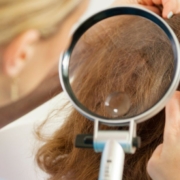
Start your examination in a well-lit area using a fine-toothed comb and magnifying glass. Part the hair into small sections and look closely at the scalp, particularly behind the ears and at the base of the neck where lice prefer to lay eggs.

Look for live lice moving through the hair, though they can be difficult to spot as they avoid light and move quickly when disturbed. Focus more attention on finding nits, which appear as small, teardrop-shaped eggs firmly attached to individual hair strands within a quarter-inch of the scalp.

Be aware of symptoms of scratching, as well as red bumps, sores, or scabs on the scalp and neck. The itching associated with head lice often worsens at night when the insects are most active.

How to Identify a Flea Infestation

Begin by examining your pets for signs of fleas, including excessive scratching, biting at their skin, or visible flea dirt (small, dark specks that turn red-brown when moistened). Part your pet’s fur and look for quick-moving, dark insects, particularly around the base of the tail and behind the ears.

One easy way to check your home environment for signs of fleas is by walking across carpeted areas wearing white socks. Fleas will jump onto the socks, making them easy to spot against the white fabric. Look for small, dark spots on pet bedding, carpets, and upholstery. You should also examine family members for flea bite patterns.

Treatment Options for Head Lice

Home remedies for head lice often prove time-consuming and ineffective. Many over-the-counter treatments contain harsh chemicals that may cause scalp irritation without guaranteeing complete elimination of the infestation.

Professional lice removal services provide the most reliable and efficient treatment option. Hair Fairies lice clinic in Charlotte, NC, offers expert lice removal services using safe, effective methods that eliminate both live lice and nits in a single visit. Professional technicians have the experience and specialized tools necessary to ensure complete removal without damaging hair or irritating sensitive scalps.

Treatment Options for Fleas

Treating flea infestations requires a comprehensive approach addressing both the pet and the environment. Consult your veterinarian about prescription flea treatments that kill adult fleas and prevent eggs from developing. Regular grooming with a flea comb helps remove adult fleas and monitor the effectiveness of treatments.

Environmental treatment involves thorough vacuuming of carpets, upholstery, and pet areas, followed by washing pet bedding in hot water. You may need professional pest control services for severe infestations that don’t respond to home treatments. These experts can identify flea breeding areas and apply targeted treatments that break the flea life cycle effectively.

Correctly Identify and Treat Lice and Fleas

Knowing the differences between head lice and fleas and how to deal with them determines your success in eliminating the problem quickly and effectively. Head lice require specialized removal techniques focused on the scalp and hair, while flea infestations demand comprehensive treatment of both animals and living spaces.

Don’t let confusion about these common parasites lead to ineffective treatments and prolonged discomfort. When head lice are the problem, contact Hair Fairies in Charlotte, NC for professional removal services that guarantee results without the frustration of repeated home treatments.

How To Determine How Long You Have Had Head Lice

How To Determine How Long You Have Had Head Lice

Discovering head lice can result in a whirlwind of emotions, from feeling disgusted to overwhelmed, but understanding your timeline helps you take control of the situation. These tiny parasites can spread easily through direct head-to-head contact, so you can pick them up easily and spread them unknowingly if you don’t know they’re there.

Understanding how to determine how long you’ve had head lice helps you figure out who might be affected and when you were most likely to spread the infestation. Here’s a comprehensive guide to calculating your exposure timeline and what to do if you suspect you have head lice.

Why Calculating How Long You’ve Had Lice Matters

Understanding your head lice timeline serves several important purposes beyond satisfying curiosity. How long you’ve had lice directly impacts how many people you may have exposed and helps you make informed decisions about treatment.

Knowing your timeline also helps you understand the severity of your situation. A newer infestation typically involves fewer lice and may be easier to treat than one that has been developing for weeks or months, as more lice would have had time to hatch and spread.

Head lice have a specific life cycle that creates clues about timing. Adult lice live for about 30 days on a human head, while their eggs (called nits) take 7-10 days to hatch. This biological timeline helps you work backwards from your discovery to estimate when the infestation began.

How to Calculate Your Head Lice Timeline

Determining how long you’ve had head lice requires careful observation and detective work. The process involves examining multiple factors that provide clues about the infestation’s progression.

Identify Your Symptoms

Your symptoms provide the first clues about your head lice timeline. Itching typically doesn’t start immediately after lice arrive on your scalp because it takes time for your body to develop an allergic reaction to lice saliva.

Most people don’t experience itching until they’ve had lice for 4-6 weeks. If you just started itching, your infestation likely began at least four weeks ago. People who have had lice before may develop itching more quickly during subsequent infestations.

Check the Signs and Appearance of Head Lice

The appearance and behavior of lice on your scalp reveal important timeline information. Adult lice are about the size of a sesame seed and appear tan, brown, or gray depending on your hair color.

Young lice, or nymphs, are smaller and lighter in color than adults. If you see mostly small, light-colored lice, your infestation is likely newer. A mix of different-sized lice suggests the infestation has been present long enough for multiple generations to develop.

How To Look for Lice in the Hair

Systematic self-inspections helps you find evidence that reveals your lice timeline. Start by sectioning damp hair and using a fine-toothed comb to check close to the scalp, particularly around the ears and nape of the neck.

Look for live lice first, as they indicate an active infestation. Adult lice move quickly and try to avoid light, so you may need to look carefully. The presence of many adult lice suggests your infestation has been developing for several weeks.

Understand the Infestation Timeline

Head lice follow a predictable development pattern that helps you estimate timing. Female lice lay eggs within 24-48 hours of mating, and these eggs hatch 6-9 days later. The newly hatched nymphs mature into egg-laying adults within 9-12 days. Overall, head lice can live for 30-35 days.

Empty eggshells (nits) that are more than a quarter-inch from your scalp indicate older parts of the infestation. Fresh eggs appear closer to the scalp and look plumper and darker than empty shells. If you find nits far from your scalp, your infestation has likely been present for at least 2-3 weeks.

Look for Signs of Lice on Bedding and Belongings

Your personal items can provide additional timeline clues. Lice can survive off the human head for 1-2 days, so finding lice on pillowcases, hats, or hairbrushes suggests recent activity.

Check items you’ve used in the past few days for signs of lice or nits. Finding lice on multiple items indicates your infestation has been active long enough for significant shedding to occur.

Consult a Lice Professional

Professional lice removal specialists have extensive experience identifying infestation timelines. They can examine your scalp and provide more accurate estimates based on the specific patterns they observe.

Lice professionals use specialized tools and techniques to assess your situation thoroughly. They can distinguish between active and old infestations, identify the approximate age of nits, and provide guidance about your specific timeline.

If you’re looking for more information on head lice or help calculating your estimated infection timeline, visit our Hair Fairies lice clinic San Francisco for support and treatment options.

What to Do Once You’ve Identified Your Timeline

Understanding your head lice timeline is just the first step toward resolving your infestation. This information helps you take appropriate action to treat the problem and prevent further spread.

Identify Those Affected in Your Family

Your timeline helps determine who else might have caught lice. Anyone who had close contact with you during your estimated infestation period should receive a careful examination for signs of lice.

Focus on family members who share beds, participate in activities involving head contact, or have used your personal items. Note that children are particularly susceptible to lice transmission due to their play habits and close contact with others.

Notify Schools, Friends, Neighbors, Etc.

Schools and close contacts need notification so they can take appropriate precautions. Your timeline helps you identify the relevant notification period and ensures that others can check their own families.

Most schools have specific protocols for head lice notifications. Contact your school nurse or administrator to report the infestation and get guidance about return policies. You should also notify friends and neighbors who had close contact during your infestation period so they can check their families.

Seek Out Professional Lice Removal

Professional treatment becomes more important with longer infestations. Established lice populations require thorough removal techniques to ensure complete elimination.

Professional lice removal services offer several advantages over home treatment. They have specialized tools, proven techniques, and experience handling infestations of varying severity. Visit Hair Fairies, with various locations across California, to learn more about the benefits of professional lice removal.

Act Fast Against Head Lice

Determining how long you’ve had head lice provides valuable information for managing your infestation effectively. This timeline helps you understand who might be affected, guides your notification efforts, and informs your treatment approach.

Remember that head lice infestations are common and treatable. The sooner you take action, the easier it becomes to eliminate the problem and prevent further spread. Consider consulting with our professional lice removal services if you suspect you have lice to ensure thorough treatment and peace of mind for your family.

Reasons Why Head Lice Aftercare Is So Important

Reasons Why Head Lice Aftercare Is So Important

Stay lice-free for good! Learn the importance of head lice aftercare, common mistakes to avoid, and effective steps to ensure complete eradication.

7 Unexpected Ways Kids Can Pick Up Head Lice

7 Unexpected Ways Kids Can Pick Up Head Lice

Children can encounter lice in more environments than just school. Learn where and how children can pick up lice and how to avoid them with professional tips.

What You Should Know About Head Lice and Swimming Pools

What You Should Know About Head Lice and Swimming Pools

Should head lice be a concern at the pool? Uncover the most common myths, facts, and prevention tips to keep your family lice-free this summer.

10 Myths and Misconceptions About Head Lice 10 Myths and Misconceptions About Head Lice

10 Myths and Misconceptions About Head Lice

Think lice only affect dirty hair? Or that they can fly? Discover the truth behind 10 common head lice misconceptions and get expert tips on safe treatments.

wigs, lice, and extensions

Wigs, Extensions, & Lice

When most people think of lice, they imagine school-aged children. But lice don’t discriminate, and neither wigs nor extensions offer guaranteed protection. In fact, if you wear wigs, weaves, or extensions, you’re still very much at risk for getting lice. Here’s why.