How To Avoid Lice During The Winter Season

How To Avoid Lice During The Winter Season

The winter season brings new activities, family gatherings, and unfortunately, an increased risk of head lice. While most people associate lice with the back-to-school season, the winter season can also be a peak time for infestations. Families travel to see relatives, kids have sleepovers with cousins, and people spend more time indoors in close quarters.

Understanding the risks allows you to take proactive steps to protect your family this season. Prevention is always easier than treatment, especially when you have a busy schedule of activities and events. By staying vigilant and following these tips to help you avoid lice this winter season, you can ensure all your family activities remain itch-free.

Understanding Lice

Head lice are tiny, wingless insects that live on the human scalp and feed on blood. They are extremely contagious and spread primarily through direct head-to-head contact. Contrary to popular belief, lice cannot jump or fly—they simply crawl from one strand of hair to another when heads touch.

Many myths surround lice, leading to unnecessary panic and ineffective prevention methods. Lice do not discriminate based on cleanliness or hygiene. They thrive in clean hair and dirty hair alike. Furthermore, lice are species-specific, meaning you cannot catch them from the family dog or cat.

Prevention Tips for Winter Gatherings

The most effective way to prevent lice is to avoid direct head-to-head contact whenever possible. This can be difficult due to spending more time indoors during winter, when hugging relatives and taking group photos are common activities. Remind your children to keep a little personal space when playing games or watching movies with friends and cousins.

It is also important to keep personal items separate to minimize the risk of indirect transmission. Encourage your children not to share hats, scarves, brushes, or hair accessories with others. When attending gatherings where coats are piled on a bed or rack, try to keep your family’s belongings in a separate bag or hold onto them.

Protective Hairstyles

How you style your and your child’s hair can significantly reduce the surface area available for lice to grab onto. For children with long hair, keeping it tied back in a braid, bun, or ponytail is a simple yet effective deterrent. These styles keep loose strands contained and make it harder for lice to transfer during brief moments of contact.

Checking for Lice

Regular screenings are crucial for catching an infestation early before it spreads to the rest of the family. Inspect your child’s head immediately if they complain of an itchy scalp or if they’ve been around other children with known infestations. You will need a bright light and a magnifying glass to see the tiny lice and their eggs, known as nits.

Start by parting the hair in small sections, looking closely at the scalp, behind the ears, and at the nape of the neck. You are looking for live lice, which are about the size of a sesame seed and move quickly, or nits. Nits look like tiny white or yellowish specks glued firmly to the hair shaft near the scalp, and you cannot brush them away like dandruff.

What to Do If You Find Lice

If you discover lice on your child’s head, do not panic. Lice is a common problem that you can resolve with patience and the right tools.

The first step is to check every other member of the household to see if the infestation has spread. Also let your family and friend groups know of the outbreak, especially if you have attended any recent gatherings. Begin treatment immediately on anyone who has evidence of live lice or nits to stop the lifecycle.

Avoid using harsh chemical treatments that may be ineffective due to lice developing resistance. Instead, opt for non-toxic, proven solutions like home treatment and cleansing kits from Hair Fairies. It is essential to follow the treatment instructions exactly and continue checking for nits for several days after the initial treatment.

Home Remedies vs. Professional Treatments

Many parents turn to home remedies like mayonnaise or olive oil in an attempt to suffocate the lice. These methods are often ineffective, messy, time-consuming, and often fail to kill the nits. This can lead to a frustrating cycle of re-infestation that lasts for weeks or even months.

Professional treatments offer the most reliable and efficient solution for busy families during the winter season. Professional lice removal services use specialized combs and non-toxic products to ensure every louse and nit is removed. Seeking professional help saves time and guarantees an expert will resolve the problem correctly the first time.

Maintaining a Lice-Free Home

Once you have treated the hair, you must also address your home environment to prevent re-infestation. Wash all bedding, clothing, and towels the infested person has used in hot water and dry them on high heat. For items that you cannot wash, like stuffed animals or helmets, seal them in a plastic bag for two weeks.

Vacuuming carpets, rugs, and upholstered furniture is another important step to remove any stray hairs that might carry lice or nits. However, there is no need to spend days deep cleaning the entire house or hiring an exterminator. Lice cannot survive long off the human scalp, so focusing on items that had direct contact with the head is usually sufficient. This can help prevent further stress, especially during and after the busy winter months.

Educating Your Family and Friends

Open communication is key to stopping the spread of lice within your social circle. If your child has lice, inform the parents of their close friends and any relatives you have recently seen. This allows others to check their children and treat them early if necessary, preventing the lice from bouncing back and forth between families.

Teach your children about lice prevention in a calm and age-appropriate way. Explain why they should avoid sharing hats or hairbrushes and how to play without touching heads. Empowering your children with knowledge helps them take ownership of their own protection and reduces the stigma associated with lice.

Navigating the winter months to avoid a lice infestation requires awareness and consistent prevention habits. By checking regular screenings, encouraging protective hairstyles, and avoiding shared items, you can significantly lower your risk. While lice are a nuisance, they do not have to ruin your season.

If you find yourself facing an infestation this winter, remember that you have effective options available. For a reliable, non-toxic solution you can use at home, try the Hair Fairies Home Kit, which includes Clenz Cream, Shampoo, and a specialized comb. Alternatively, if you prefer expert assistance, visit our Hair Fairies Burlingame lice salon for professional screening and removal services. We’re here to help your family stay lice and stress-free this New Year!

How To Tell the Difference Between Lice and Dandruff

How To Tell the Difference Between Lice and Dandruff

An itchy scalp can be frustrating, embarrassing, and difficult to diagnose. You might wonder if you simply need a better shampoo or if you’ve picked up head lice. Knowing the difference between dandruff and lice is essential since each requires completely different treatments.

Dandruff is a common condition that causes skin flakes on the scalp, while head lice are tiny parasitic insects. Both cause itching, but that’s where the similarities end. This guide will break down the symptoms, causes, and differences between dandruff and head lice to help you correctly identify the problem and choose the right solution quickly.

What is Dandruff?

Dandruff is a chronic scalp condition that causes white or gray flakes of dead skin. It’s not contagious or harmful but can be persistent and difficult to manage. It affects almost half of the adult population worldwide and often flares up during colder months or periods of stress.

Symptoms of Dandruff

The most obvious symptom is white or gray skin flakes on the scalp or in the hair. These flakes often fall onto your shoulders or clothes, especially if you’re wearing dark colors. Your scalp may feel dry, tight, or itchy, and in some cases, it may look red or irritated.

Dandruff flakes are typically oily and larger than lice eggs. They fall off easily when you touch your hair or scalp.

Causes of Dandruff

Dandruff can stem from several causes, none of which are related to poor hygiene. A yeast-like fungus called Malassezia feeds on scalp oils and, in some people, causes irritation and increased skin cell turnover. These extra skin cells die and shed, appearing as white flakes.

Dry skin, sensitivity to certain hair products, and conditions like eczema or psoriasis can also trigger dandruff. Oily skin may worsen the problem because it provides an ideal environment for Malassezia. Hormonal changes and stress are common triggers as well.

Treatments for Dandruff

Most dandruff cases respond well to medicated shampoos. Look for ingredients like zinc pyrithione, salicylic acid, selenium sulfide, or ketoconazole, which target the root causes. Consistency is key—use these shampoos regularly until symptoms improve, then occasionally for maintenance.

If over-the-counter products don’t work, consult a dermatologist for stronger prescription treatments. Managing stress and keeping the scalp clean can help prevent future flare-ups.

What are Head Lice?

Head lice are small, wingless insects that live on the scalp and feed on blood. They spread easily through direct head-to-head contact and are most common in school-aged children. Having lice doesn’t mean you have poor hygiene, and it can happen to anyone.

Symptoms of Lice

The main symptom of lice is intense itching, caused by an allergic reaction to louse bites. This itching may take four to six weeks to develop after an infestation begins. You might also feel a tickling sensation or notice movement in your hair.

The clearest sign of lice is spotting live insects or their eggs (nits). Adult lice are about the size of sesame seeds and move quickly to avoid light. Nits are small, oval-shaped eggs that stick firmly to the hair shaft near the scalp. They are yellow, tan, or brown when alive and white once empty, which is why people commonly mistake them for dandruff.

Causes of Lice

Lice spread primarily through direct contact with an infested person’s hair, common during school, sleepovers, or sports. They can also spread through shared items like hats, brushes, or headphones, though this is less common.

Treatments for Lice

Treating lice involves killing both the insects and their eggs. Over-the-counter treatments contain ingredients like pyrethrin or permethrin, chemicals , which can be harmful to your scalps, and have mixed results, as many lice infestations are resistant to over-the-counter products.

This is where seeing a professional lice removal service is helpful. Here at Hair Fairies, we provide expert removal services as well as home treatment kits to keep lice from coming back. Don’t forget to wash bedding, clothing, and other items used by the infested person to prevent re-infestation.

Key Differences Between Lice and Dandruff

While both lice and dandruff cause itching, their visual and physical characteristics are distinct. Identifying these differences is crucial for proper treatment.

Appearance

Dandruff flakes are irregular, white or gray, and often oily. They clump together and vary in size.

Lice eggs (nits) are uniform, oval-shaped specks that are yellow, tan, or brown when live and white when empty. Unlike dandruff, nits are firmly attached to the hair shaft and do not flake off.

Location

Dandruff flakes can appear on the scalp, throughout the hair, or on clothes, while lice lay eggs only on the hair shaft, close to the scalp. Lice and nits are often concentrated behind the ears and at the nape of the neck.

Scalp Condition

A dandruff-affected scalp may look dry, red, or scaly, with patches of irritation. A scalp with lice might look normal but may show small red bumps or sores from scratching. These sores can sometimes become infected.

Adhesion to Hair

Dandruff flakes slide easily along the hair and fall off with a gentle shake. Lice glue nits to the hair shaft so that hosts cannot brush them off. Only manual removal with a nit comb can remove them.

How to Check for Lice and Dandruff

A thorough scalp check can confirm whether you’re dealing with dandruff or lice. Use bright light and take your time.

Checking for Dandruff

Part the hair in several places and examine the scalp for dry flakes or oily scales. Rub the scalp gently to see if flakes loosen and fall. Check clothing or shoulders for fallen flakes. If the particles brush away easily, it’s likely dandruff.

Checking for Lice

Use bright light and, if available, a magnifying glass. Wet the hair and apply conditioner to slow down lice. Part the hair in sections and use a fine-toothed comb to check near the scalp, especially behind the ears and at the nape of the neck.

Look for movement or eggs stuck to the hair. If a speck doesn’t slide freely, it’s likely a nit. Wipe the comb on a white towel to check for lice or eggs.

When to See a Specialist

f signs of infection like oozing sores develop, consult a professional. Resistant lice may require prescription treatments and professional removal.

For local residents, Hair Fairies offers professional lice removal services at our lice salon in Los Angeles. Their experts manually remove lice and nits without harsh chemicals, ensuring effective relief.

Knowing the difference between dandruff and lice can save you time, money, and frustration. Dandruff flakes fall off easily, while lice eggs stick tightly to the hair. While dandruff responds to medicated shampoos, lice require targeted treatment and manual removal.

Check your scalp or your child’s scalp at the first sign of itching. Use bright light and a comb to inspect the hair near the scalp. If you’re still unsure, seek professional advice for an accurate diagnosis and treatment plan. Acting quickly will help restore comfort and peace of mind.

Can You Still Get Head Lice if You’re Bald?

Can You Still Get Head Lice if You’re Bald?

Many people assume that head lice are a problem exclusive to those with a full head of hair. This common misconception often leads to questions about whether bald individuals are immune to these pests. Can someone without hair still get head lice?

Here, we’ll explore the facts about head lice and their ability to infest a scalp, regardless of hair length. Explore what lice are, how they survive, and what their primary target is. By understanding their biology, we can determine the risk for bald people and provide practical advice for prevention and treatment.

Understanding Head Lice

Head lice, or Pediculus humanus capitis, are tiny parasitic insects that live on the human scalp. They feed on small amounts of blood from the scalp to survive. These insects cannot fly or jump. Instead, they move by crawling.

Lice spread primarily through direct head-to-head contact with an infested person. They can also transfer, though less commonly, through shared personal items like hats, brushes, or pillows that have recently been in contact with an infested head. Their entire life cycle, from egg to adult, takes place on a human host.

Debunking the Myth About Hair Length

A widespread belief is that head lice only affect people with long, thick hair. This myth suggests that hair provides the necessary environment for lice to thrive, making bald individuals safe. While hair offers an ideal habitat, it is not the only factor in an infestation.

The truth is that lice are primarily interested in the scalp, not the hair itself. They need access to the scalp to feed on blood, which is essential for their survival and reproduction. Hair simply provides a convenient place for them to hide and lay their eggs, known as nits.

The Role of Hair in a Lice Infestation

Hair serves as a protective environment for head lice. The strands of hair offer shelter and a surface for female lice to attach their eggs. The warmth and humidity trapped by hair also create a favorable climate for lice to live and multiply.

However, the presence of hair is not a strict requirement for lice to survive temporarily. An adult louse can live for up to 48 hours away from a human host. If a louse finds its way onto a scalp, its main goal is to feed, and it can do so whether there is hair or not.

The Scalp Is the Primary Target

The primary attraction for head lice is the human scalp, which provides the blood they need to live. Lice use their specialized mouthparts to pierce the skin and draw blood. This feeding process causes the itching and irritation commonly associated with a lice infestation.

For a bald person, the scalp is exposed and easily accessible. While the lack of hair makes it a less desirable long-term home for lice to lay eggs, it does not prevent them from feeding. A louse can still attach to the scalp and feed, even without hair to cling to.

Prevention Tips for Bald Individuals

Bald individuals should still be proactive in preventing head lice, especially if they are in close contact with individuals who have an active infestation. Here are some key prevention tips.

Avoid Direct Head-to-Head Contact

This is the most crucial step in preventing the spread of lice. Direct contact between heads gives them the opportunity to move from one person to another. If you know someone has lice, it’s best to keep a safe distance to prevent any chance of transmission.

Don’t Share Personal Items

While less common, lice can still transfer through personal belongings. To be safe, avoid sharing items that meet the head. This includes hats, scarves, headphones, helmets, hairbrushes, and towels. If you use shared helmets, such as at a bike rental, consider using a liner or wiping it down before use.

Be Mindful in High-Risk Environments

Lice infestations are more common in environments where people are in close quarters, such as schools, daycares, camps, and shelters. If you visit or work in these settings, be extra vigilant. Maintain personal space as much as possible, and be aware of your surroundings to minimize your risk of exposure.

Perform Regular Scalp Checks

Early detection is key to preventing a full-blown infestation. Make it a habit to regularly inspect your scalp. Although it’s easier to spot lice on a bald head, they can still be tiny and hard to see.

Pay close attention to the nape of the neck and the area behind the ears, as these are common spots for lice to feed. Use a magnifying glass and good lighting to help you spot any lice or nits that may be present.

Treatment Options if You Get Lice

If a bald person does get head lice, the treatment process is often simpler than for someone with hair. The absence of hair makes it easier to spot and remove lice and their eggs. Several treatment options are available.

Seek Professional Help

For a guaranteed solution, seeking professional help is the most effective approach. Lice treatment specialists, like our team at Hair Fairies, have the expertise and tools to eliminate lice efficiently. We can confirm the infestation and remove all lice and nits completely at our Burlingame lice salon and various other locations.

A professional will conduct a thorough examination of the scalp to identify any lice or nits. They can provide immediate treatment and offer advice tailored to your specific situation, giving you peace of mind that the problem is fully resolved.

Using Proven Products

Over-the-counter and prescription treatments are also available. For a bald person, applying a topical lice treatment lotion or shampoo is straightforward. It is important to use products proven safe and effective, such as our line of cleansing shampoos from Hair Fairies.

Following the product instructions carefully is crucial to ensure the treatment is successful. Even without hair, it is important to complete the full treatment course to address any newly hatched lice.

A Clearer View on Lice and Baldness

It is clear that bald people can get head lice, although the risk may be lower and an infestation is less likely to become severe. Lice are drawn to the scalp for survival, and the absence of hair does not make a person immune. Understanding this fact is the first step toward effective prevention and management.

By taking simple preventive measures and knowing the treatment options, anyone can protect themselves from these persistent pests. If you suspect you have head lice, contact our experts at Hair Fairies today to get the prompt help and peace of mind you need.

8 Mistakes To Avoid When Your Child Has Head Lice

8 Mistakes To Avoid When Your Child Has Head Lice

Discovering your child has head lice can send any parent into a panic. Suddenly, your mind races with questions about where they came from, how to get rid of them, and what to do next.

While this is a common and treatable issue, the immediate stress often leads to mistakes that can make the situation worse or prolong the infestation. Explore these eight common mistakes to avoid when your child has head lice so that you are actionable, effective, and can move forward with ease.

Not Confirming a Live Infestation

One of the first mistakes parents make is starting treatment without confirming a live lice infestation. Finding a single nit (a lice egg) is alarming, but it doesn’t always mean your child has an active case of head lice. Nits can remain in the hair long after a previous infestation clears or commonly mistaken for dandruff or hair product residue.

Before applying a treatment, you must find a live louse. Use a fine-toothed nit comb on wet, conditioned hair and systematically comb through small sections. Wipe the comb on a white paper towel after each pass to check for live lice. If you only find nits, they could be from an old case. Active infestations require finding at least one moving louse. Starting treatment without confirmation exposes your child to unnecessary chemicals and creates needless stress.

Using Over-The-Counter Products

Many parents immediately reach for over-the-counter (OTC) lice treatments. While these products are marketed as effective, they are full of chemicals that don’t work at properly getting rid of lice.

Super lice have grown immune to the chemicals in OTC products, resulting in infestations that linger. With our natural lice products that stun lice in their tracks, you can be sure that what you are putting on your child’s head is safe and effective.

Believing Myths About How Lice Spread

Misinformation about how head lice spread causes unnecessary panic and effort. Many people believe lice can jump or fly from one person to another, leading them to deep clean their entire house. Lice do not have wings and cannot jump. They spread almost exclusively through direct head-to-head contact.

While it’s technically possible for lice to spread through shared items like hats, brushes, or pillows, it’s rare. A louse can only survive for about 24 – 48 hours off a human host. Focusing on excessively cleaning your home distracts from the most important task: treating the infested person’s head. A simple wash of recently used bedding and clothing in hot water is sufficient.

Only Treating the Infested Child

When one child in a family has lice, it’s a mistake to assume they are the only one. Lice spread easily among family members through close contact, like hugging or sharing a bed. If you treat one child but don’t check everyone else in the household, you risk a cycle of reinfestation.

You must check every family member, including adults, for head lice. Use the same wet-combing method with a nit comb for everyone. If you find lice on another family member, treat them on the same day to break the cycle and prevent the lice from passing back and forth.

Not Removing All Nits

Even if you successfully kill all the live lice, leaving nits in the hair can lead to a new infestation. Some OTC products claim to kill nits, but their effectiveness can vary. Manually removing all nits is the most reliable way to make sure the problem is gone for good.

This is a tedious process that requires patience. Using a high-quality metal nit comb, work through small sections of damp hair under a bright light. Comb from the scalp to the end of the hair shaft. Even after treatment, continue to check for and remove any missed nits every few days for at least two weeks.

Sending Your Child to School Too Soon

While most schools have policies that allow children to return after the first treatment, it’s wise to confirm the infestation is fully under control. Sending a child back to school while they still have live lice or many nits can contribute to spreading it to other students and risks your child being sent home again.

Make sure you complete at least the first round of a reputable treatment and have diligently combed out as many nits as possible. Inform the school nurse or teacher about the situation so that they can take appropriate measures to check other students and prevent a wider outbreak.

Not Following Up After Treatment

One of the biggest mistakes is assuming you solved the problem after a single treatment. As mentioned, most treatments require a follow-up application. Even beyond that, you should continue to perform regular head checks.

For at least two weeks after the final treatment, use a nit comb every few days to check for any signs of new lice or nits. This follow-up process is your best defense against a recurrence. Catching a new infestation early makes it much, much easier to manage.

Forgetting To Notify Close Contacts

It’s uncomfortable, but notifying the parents of your child’s close friends, as well as the school, is a responsible step. Secrecy allows lice to spread unchecked through a community. By informing others, you give them the opportunity to check their own children and seek treatment if necessary. This coordinated effort can break the cycle of infestation for everyone.

When it comes to lice, community awareness and action are powerful tools. If the problem persists or feels overwhelming, seeking professional lice treatment in the Bay Area can provide expert help and peace of mind.

Your Path to a Lice-Free Home

Dealing with head lice is a challenging, relentless experience, but avoiding these eight common mistakes will make the process smoother and more effective. Remember to confirm a live infestation before you act, use proven treatments correctly, and be diligent with follow-up checks and nit removal. By approaching the situation with patience and accurate information, you will quickly and confidently resolve the issue.

Most importantly, maintain a calm and reassuring attitude to support your child through this temporary inconvenience. With the right strategy, you can get back to a lice-free life.

Head Lice, Nits & Eggs: What Do They Look Like?

Head Lice, Nits & Eggs: What Do They Look Like?

Discovering something crawling in your child’s hair can be alarming. The first step to managing an infestation is correctly identifying what you are looking at. Understanding the distinct appearances of adult lice, nits, and eggs is essential for effective treatment and preventing further spread.

Here, we’ll outline descriptions to help you determine if what you’re experiencing is head lice. Knowing the difference between a louse, a nit, and dandruff can save you time, stress, and unnecessary treatments. We will cover what to look for, where to look, and why finding them early is so important.

What Are Head Lice?

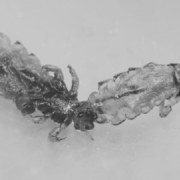
Head lice, or Pediculus humanus capitis, are small, parasitic insects that live on the human scalp and feed on blood. An adult louse is typically about the size of a sesame seed, measuring around 2 to 3 millimeters long. They are wingless insects that cannot fly or jump; instead, they crawl from one hair to another.

The color of an adult louse can vary. They are often tan to grayish-white, but they can appear darker. This can make them difficult to spot in various hair colors.

Lice move quickly and actively avoid light, which is why you may have trouble seeing them. When you part the hair to look, they will scurry away. Finding a live, moving louse is a definitive sign of an active infestation.

What Are Nits and Lice Eggs?

Nits are the eggs laid by adult female lice. We often use these terms interchangeably, but the difference comes during their life cycle. A female louse lays her eggs close to the scalp, where the warmth helps them incubate before they hatch.

Lice eggs are tiny, oval-shaped, and usually yellowish or white. They are very small, about the size of a knot in a thread. The adult louse secretes a strong, waterproof glue to attach each egg to an individual hair shaft, making them very difficult to remove.

Once an egg hatches, it leaves behind a “nit,” which is the empty eggshell. These nits are lighter in color, often appearing white or translucent. Because they are so firmly attached to the hair, nits remain on the shaft as the hair grows, moving further away from the scalp over time.

Where to Look for Lice and Nits

When checking for head lice and nits, it’s best to focus on specific areas of the scalp. Lice prefer warm, dark places, so you’ll most commonly find them behind the ears and at the nape of the neck. These areas provide the ideal temperature for eggs to incubate.

Use a fine-toothed comb and a bright light to systematically check the hair. Part the hair into small sections, examining the hair shafts close to the scalp. Look for movement, which could indicate adult lice, and check for tiny ovals attached to the hair strands, which are likely nits or eggs.

Finding nits within a quarter-inch of the scalp often suggests an active infestation, as it means new eggs have been laid recently. Nits found further down the hair shaft are usually hatched and indicate a past infestation that may or may not still be active.

How to Differentiate Nits from Dandruff

It is very common to mistake nits for other things, such as dandruff, hair spray droplets, or hair casts. Dandruff flakes are dry skin from the scalp and will be irregularly shaped. Most importantly, dandruff and other debris will brush or flick off the hair easily.

Nits, on the other hand, are cemented to the hair shaft. If you try to slide a nit with your fingers, you will feel resistance. They do not come off easily, and you must pull them off with your fingernails or a specialized nit comb.

Hair casts are another look-alike. These are cylindrical, whiteish tubes of skin cells that wrap around the hair shaft. Unlike nits, hair casts are flexible and you can slide them up and down the hair strand, whereas nits are fixed in one place.

Why Early Detection Matters

Detecting a head lice infestation early is crucial for several reasons. The sooner you identify lice, the easier it is to treat the problem before it becomes widespread. An adult female louse can lay several eggs per day, so a small problem can quickly escalate.

Early detection helps prevent the transmission of lice to other family members, classmates, and friends. Prompt action can contain the infestation and reduce the discomfort and itching associated with lice bites. Itching can also lead to secondary skin infections if the skin is broken from scratching.

By regularly checking your child’s hair, especially after potential exposure at school or camp, you can catch an infestation in its earliest stages. This proactive approach simplifies the treatment process and minimizes the disruption to your family’s routine.

Get Identification Help with Hair Fairies

If you are unsure whether you are dealing with head lice, Hair Fairies can help. It can be difficult to tell the difference between nits and other debris in the hair. Our trained technicians have years of experience identifying lice and nits.

You can send us a clear, close-up picture of what you are seeing in the hair. Our experts will examine the image and let you know if it appears to be head lice. This service provides peace of mind and helps you take the correct next steps.

For local families, we offer professional head lice treatment in San Diego. Our salon provides a safe, effective, and kid-friendly environment to handle infestations. We use non-toxic products and proven combing techniques to ensure all lice and nits are removed.

Your Next Steps

Knowing what head lice, nits, and eggs look like is the first step toward resolving an infestation. Remember to look for small, sesame-seed-sized insects near the scalp and tiny, oval-shaped eggs glued firmly to hair shafts. Focus your search behind the ears and at the neckline.

If you need help confirming an infestation or professional help, don’t hesitate to reach out. Hair Fairies is dedicated to helping families effectively manage and treat head lice. Contact our San Diego location to schedule an appointment or to get expert advice from our team.

Why Lice Are Resistant to Over-the-Counter Treatments

Why Lice Are Resistant to Over-the-Counter Treatments

Head lice infestations affect millions of families each year, causing stress and frustration for parents and children alike. Many families turn to over-the-counter treatments as their first line of defense, expecting quick relief from these persistent parasites. However, these common solutions may be less effective than they once were.

Lice populations have developed resistances to many traditional over-the-counter treatments, leaving families struggling with repeated infestations despite following product instructions carefully. This resistance has transformed what was once a manageable household problem into a persistent challenge that requires new approaches and professional intervention. Understanding why lice resistance to over-the-counter products occurs and what alternatives exist can help families find effective solutions.

Understanding the Lice Life Cycle

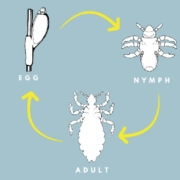
Head lice follow a predictable three-stage life cycle that influences treatment effectiveness. Adult lice lay eggs, called nits, which attach firmly to hair strands close to the scalp where warmth helps them develop. These eggs hatch after seven to ten days, releasing nymphs that mature into egg-laying adults within another seven to ten days.

This rapid reproduction cycle means that missing even a few eggs during treatment can lead to re-infestation within weeks. Traditional over-the-counter treatments target adult lice and nymphs but often struggle to eliminate all nits, which creates opportunities for populations to rebuild and develop resistance over time.

How Traditional Treatments Work

Most over-the-counter lice treatments rely on pyrethrin-based insecticides or permethrin, synthetic chemicals designed to attack the nervous systems of lice. These treatments worked effectively for decades because lice populations had little exposure to such chemicals. The treatments paralyze and kill lice on contact.

However, these chemical treatments require precise application and timing to work effectively. Many families apply insufficient amounts, leave treatments on for shorter periods than recommended, or fail to repeat applications as directed, reducing their effectiveness.

Genetic Mutations Drive Resistance

Lice populations have developed genetic mutations that make them less susceptible to pyrethrin and permethrin-based treatments. These mutations affect the sodium channels in lice nervous systems, reducing the chemicals’ ability to paralyze and kill the parasites. Research shows that resistant lice populations now exist in many regions, with some areas reporting resistance rates exceeding 95%.

The mutations spread rapidly through lice populations because resistant lice survive treatments and continue reproducing. Their offspring inherit the resistance genes, creating new generations that are increasingly difficult to eliminate with traditional over-the-counter products.

Overuse Accelerates Resistance Development

Widespread use of the same chemical treatments has accelerated resistance development across lice populations. Families often use these products repeatedly when initial treatments fail, exposing lice to sub-lethal doses that promote survival of resistant individuals. Schools and communities that experience frequent outbreaks create environments where resistant lice encounter these chemicals regularly.

This repeated exposure acts as a selection pressure, favoring lice with resistance mutations while eliminating susceptible individuals. The result is a rapid shift toward resistant populations, which renders traditional treatments ineffective.

Improper Application Reduces Effectiveness

Many treatment failures occur because families don’t apply over-the-counter products correctly. Instructions often require covering all hair thoroughly, leaving treatments on for specific time periods, and repeating applications after seven to ten days. Missing any of these steps can allow lice to survive and potentially develop resistance.

Insufficient coverage leaves untreated areas where lice can survive, while shorter application times may expose lice to sub-lethal chemical doses. Skipping follow-up treatments allows newly hatched nymphs from surviving eggs to mature and reproduce, perpetuating infestations.

Professional Treatment Options

Hair Fairies lice clinics offer professional treatments that address resistant lice infestations effectively. Our clinics use specialized techniques and products that target lice through different mechanisms than traditional over-the-counter treatments. Professional technicians apply treatments thoroughly and provide follow-up services to ensure complete elimination.

Our professional treatments combine manual removal techniques with specialized products designed to overcome resistance. This comprehensive approach addresses both adult lice and nits, breaking the reproduction cycle more effectively than home treatments alone.

Why Professional Treatments Are So Effective

Professional lice treatments are highly effective due to their multifaceted approach and expert application. Unlike over-the-counter products, which often rely on pesticides that lice may have developed resistance to, professional treatments utilize advanced formulas and specialized techniques that target lice more effectively. At Hair Fairies, our professional technicians apply these treatments accurately and thoroughly to ensure coverage and precision, leaving no room for error.

Additionally, professionals combine these treatments with meticulous manual removal of lice and nits using fine-toothed combs and proven methods. This hands-on process eliminates lice at every stage of their lifecycle, preventing reinfestation. The comprehensive nature of professional services, including follow-up appointments, ensures that the lice are entirely eradicated, providing families with peace of mind and a faster resolution to the problem.

Specialized Products for Resistant Lice

Hair Fairies has developed safe yet effective formulations specifically designed to combat resistant lice populations. Our specialized cleansing shampoo uses different active ingredients that target lice through mechanisms unaffected by common resistance mutations. This targeted approach provides families with reliable alternatives when traditional treatments fail.

Our company also offers specialized laundry detergent that eliminates lice and nits from clothing and bedding without harsh chemicals. These products work together to address infestations comprehensively, treating both the affected individual and their environment.

Prevention Strategies That Work

Regular head checks help identify lice infestations early, before populations establish and spread to other family members. Parents should examine their children’s hair weekly, focusing on areas behind the ears and at the nape of the neck where lice typically concentrate. Early detection makes treatment more manageable and reduces the risk of widespread infestations.

Teaching children to avoid sharing personal items like combs, brushes, hats, and hair accessories significantly reduces transmission risk. While direct head-to-head contact remains the primary transmission route, contaminated items can harbor lice temporarily and facilitate spread among family members or classmates.

Moving Forward with Effective Lice Solutions

The rise of lice resistance to over-the-counter treatments represents a significant challenge for families, but effective alternatives exist. Understanding why lice resistance to over-the-counter products develops helps parents make informed decisions about treatment options and prevention strategies. Professional services like Hair Fairies offer specialized solutions that address resistant lice populations effectively. If you’re looking for lice treatment in Sacramento, CA and beyond, find your local Hair Fairies clinic today.

Parents facing persistent lice problems should consider professional treatment options rather than repeatedly using ineffective over-the-counter products. Hair Fairies’ safe and effective formulations provide reliable alternatives that work even when traditional treatments fail, helping families resolve infestations quickly and prevent recurrence.

The Benefits of Professional Head Lice Removal Services

The Benefits of Professional Head Lice Removal Services

Head lice infestations affect millions of children and families each year, which makes proper identification and treatment so important to prevent their spread. When parents discover lice in their child’s hair, the initial panic often leads to rushed decisions and ineffective home treatments that waste time and money.

Professional head lice removal services offer a reliable solution that many families overlook. These specialized clinics provide expertise, proven treatment methods, and peace of mind that over-the-counter products simply cannot match. Understanding the benefits of professional lice treatment can help families make informed decisions and resolve infestations quickly and effectively.

What Do Professional Head Lice Services Involve?

Professional lice removal services go beyond what most people can accomplish at home. Licensed technicians begin with a thorough examination, checking your family members’ scalps and hair with specialized equipment and trained eyes. This comprehensive approach catches any cases of head lice in the home to prevent reinfestations.

The treatment process typically involves a combination of manual removal techniques and safe, effective products. Technicians use professional-grade combs and tools designed specifically for lice and nit removal, working systematically through each section of hair. Most professional services guarantee their work and provide follow-up appointments to ensure complete eradication.

Benefits of Seeking a Lice Professional

Professionals Can Understand Your Case Better

Experienced lice technicians can quickly confirm whether lice are actually present, as lice can be difficult to spot or commonly confused with other conditions. They assess the timeline of the infestation, determine its severity, and identify the specific type of lice involved. This accurate diagnosis prevents unnecessary treatments and ensures the most appropriate approach for each case.

Professional evaluation also reveals important details that affect treatment success. Technicians can determine how long the infestation has been present based on the life cycle stages they observe, which helps them recommend the most effective treatment schedule.

More Experience and Expertise

Professional lice technicians like those at Hair Fairies treat hundreds of cases each year, giving them extensive experience with different hair types, infestation severities, and treatment challenges. This expertise allows them to work efficiently and adapt their techniques to each client’s specific needs.

Their specialized training also means they stay current with the latest treatment methods and resistance patterns. As lice populations develop resistance to certain treatments, professionals adjust their approaches accordingly to maintain high success rates.

Professional Treatments Offer Complete Eradication

Home treatments often fail because they don’t address every aspect of lice removal. Professional services focus on complete eradication rather than just reducing the population. Technicians remove live lice, nits, and eggs systematically, leaving no stage of the life cycle behind to restart the infestation.

This thoroughness significantly reduces the likelihood of reinfestation. While over-the-counter treatments may kill some lice, they rarely remove all nits effectively, leading to recurring problems weeks later when missed eggs hatch.

Safe, Chemical-Free Removal Methods

Many professional lice services use non-toxic, chemical-free removal methods that are safe for children of all ages. For example, at Hair Fairies, our products use natural ingredients and proven formulas to remove lice and nits. These techniques rely on manual removal, natural products, and specialized equipment rather than harsh pesticides.

Chemical-free methods are particularly important for families with young children, pregnant women, or individuals with sensitive skin conditions. Professional services can customize their approach based on each client’s health considerations and preferences.

Time and Money Savings

While professional lice removal services require an upfront investment, they often save money in the long run by eliminating the need for multiple store-bought treatments. Families frequently spend significant amounts on various over-the-counter products, special shampoos, and cleaning supplies before seeking professional help. A single professional treatment typically costs less than these accumulated expenses.

The time savings are equally significant. Professional treatments typically require only one visit for complete removal, compared to the days or weeks families often spend struggling with home remedies. This efficiency allows families to return to their normal routines quickly.

Reduces Stress of Infestations on Families

Head lice infestations create substantial stress for parents and children alike. The social stigma, school notifications, and disruption to daily life can be overwhelming. Professional services alleviate this stress by taking responsibility for the treatment process and providing clear guidance throughout.

Children often feel more comfortable with professional technicians who explain the process and work gently. At Hair Fairies, our kind and caring technicians are used to working with children and can provide a comfortable environment to ease the stress of dealing with head lice.

Provide Lice Education and Support

Many misconceptions about lice cause unnecessary anxiety and inappropriate responses. However, professional services target these misconceptions by educating families about lice biology, transmission patterns, and prevention strategies. This knowledge helps parents understand how infestations occur and how to prevent future problems.

Educational support includes practical advice about what items need cleaning, how to check for lice effectively, and when to be concerned about reinfestation. This guidance empowers families to manage their situation confidently and make informed decisions about future prevention.

Follow-Up Care and Guidance

Most professional lice services include follow-up appointments and ongoing support as part of their treatment packages. These check-ups ensure that treatments were successful and catch any potential reinfestations early. Follow-up care typically occurs seven to ten days after initial treatment, coinciding with the lice life cycle.

Hair Fairies even offers convenient home treatments and zoom consultations to help your family stay lice-free and ensure you have all the information you need.

Find Head Lice Support at Hair Fairies

Hair Fairies offers comprehensive professional lice removal services designed to eliminate infestations quickly and safely. Our experienced technicians provide thorough treatments using chemical-free methods that are safe for the entire family. Our clinic also offers product recommendations and ongoing support to help families prevent future infestations.

Don’t let head lice disrupt your family’s life any longer. Contact Hair Fairies today to schedule a consultation and discover how professional lice removal services can solve your infestation problems effectively and efficiently. Our clinic has helped families like yours recover from head lice infestations for 25 years, so you can trust our expertise and proven treatment options.

Take Action Against Head Lice Today

Professional head lice removal services provide the benefits of expertise, efficiency, and peace of mind that families need when dealing with infestations. While home treatments may seem more convenient or affordable initially, professional services offer superior results and long-term value. The combination of accurate diagnosis, complete treatment, and ongoing support makes professional lice removal the smart choice for families seeking reliable solutions.

Don’t let misconceptions or hesitation prolong your family’s struggle with head lice. Browse our website at Hair Fairies today to learn more about your treatment options and how we can help.

What Happens if Head Lice Goes Untreated?

What Happens if Head Lice Goes Untreated?

Head lice are tiny, parasitic insects that live on the human scalp and feed on blood. Head lice infestations are common, especially among school-aged children. While head lice are not known to spread disease, failing to treat an infestation can lead to several complications. Prompt and thorough treatment is essential to eliminate the lice and prevent further issues.

Today, we’ll use this article to delve into the consequences of leaving head lice untreated. Understanding these risks highlights the importance of addressing an infestation as soon as it is discovered. We will cover the physical, social, and psychological effects, as well as the proper steps for treatment.

Prolonged Discomfort and Symptoms

An untreated head lice infestation leads to persistent and worsening discomfort. The most common symptom is intense itching on the scalp, which is an allergic reaction to louse saliva. This itching can become more severe over time as the lice population grows.

The constant need to scratch can cause significant irritation and distress. This discomfort often extends to the neck and behind the ears, where lice are frequently found. Without treatment, these symptoms will not resolve on their own and will continue to affect your quality of life.

Secondary Skin Infections Can Develop

Persistent scratching can break the skin, creating open sores on the scalp. These wounds provide an entry point for bacteria commonly found on the skin. This can lead to secondary bacterial infections.

Signs of a secondary infection include redness, swelling, and the presence of pus-filled sores. In some cases, these infections can cause pain and fever. If a bacterial infection develops, it may require antibiotics prescribed by a healthcare professional to resolve, adding another layer of complexity to the treatment process.

Head Lice Infestations Can Spread

Head lice are highly contagious and spread easily through direct head-to-head contact. If you don’t treat an infestation, the lice will continue to reproduce, increasing the likelihood of transmission to others. This is why outbreaks are common in settings where people are in close contact, such as schools and households.

Failing to address a lice problem in one person can quickly lead to an outbreak among family members, friends, and classmates. This widens the scope of the problem, making it more difficult to control and eradicate. Prompt treatment helps protect your family, school, and anyone else you might come into contact with.

Social and Psychological Effects of Lice

There is a significant social stigma associated with head lice, even though they are not an indicator of poor hygiene. This stigma can lead to feelings of embarrassment and shame for the affected individual and their family. Children may experience teasing or social exclusion from their peers if their condition becomes known.

These negative social experiences can have a lasting psychological impact. The stress and anxiety related to managing an infestation and preventing its spread can be considerable. These feelings can affect self-esteem and lead to social withdrawal, making the experience more than just a physical nuisance.

Difficulty Concentrating on School or Work

The constant itching and discomfort from a lice infestation can be very distracting. For children, this can make it difficult to focus on their lessons in school, potentially affecting their academic performance. They may appear restless or inattentive due to the persistent need to scratch their scalp.

Adults with head lice can find it challenging to concentrate on their tasks at work. The distraction can reduce productivity and make it hard to engage in professional responsibilities. This ongoing disruption underscores the need for effective treatment to restore focus and normal daily function.

Impacts Sleep

Head lice are often more active at night, which can cause itching to intensify during sleeping hours. This can lead to significant sleep disturbances. The individual may have trouble falling asleep or wake up frequently throughout the night due to the discomfort.

A consistent lack of quality sleep can result in fatigue, irritability, and a weakened immune system. Over time, poor sleep can affect overall health and well-being. Treating a lice infestation is crucial to resolving these sleep-related issues and restoring a normal rest cycle.

Steps to Take to Treat Lice

When you discover an infestation, take immediate action. Several effective treatment options are available to eliminate head lice and their eggs, known as nits. The approach you choose may depend on the severity of the infestation and your personal preferences.

Home Shampoos

Over-the-counter shampoos containing natural lice deterrents are a common first step. These products are designed to remove lice, and you can find cleansing shampoos right here at Hair Fairies with our Nit-Zapping shampoo, which is safe enough to use daily.

Detail Combing Techniques

Regardless of whether you use a head lice shampoo, combing is a critical part of the lice removal process. Using a fine-toothed nit comb helps to physically remove lice and their eggs from the hair shafts. This should be done on wet, conditioned hair to make the process easier.

Comb through small sections of hair, from the scalp to the end, wiping the comb on a paper towel after each pass. Repeat this process every few days for at least two weeks to ensure all lice and nits are removed. Consistent and thorough combing is key to breaking the life cycle of the lice.

Professional Treatment Through a Lice Clinic

If home treatments are unsuccessful or if you prefer professional assistance, lice removal clinics offer another option. Our clinics specialize in treating head lice With t rained technicians who can efficiently and thoroughly remove lice and nits.

While professional services come at a higher cost, they can provide peace of mind and are often highly effective. A clinic can be a good choice for severe infestations or for those who have struggled to eliminate lice on their own. If you’re looking for lice removal in Charlotte, NC, visit Hair Fairies today for treatment options and guidance.

The Importance of Prompt Treatment

Untreated head lice can lead to a range of negative consequences, from persistent physical discomfort and secondary skin infections to social and psychological distress. An infestation can disrupt sleep, affect concentration, and spread easily to others, creating a wider community problem.

Taking swift action is the best way to manage head lice effectively. By using proven treatment methods and being diligent in the removal process, you can eliminate the infestation and prevent the associated complications. Visit Hair Fairies today to learn more about lice removal and to browse our home removal products.

Everything You Need To Know About Super Lice

Everything You Need To Know About Super Lice

Head lice. Just the mention of these two words can send shivers down any parent’s spine. These tiny insects infest children’s hair and spread like wildfire through schools and playgroups. They cling stubbornly to hair strands, multiply rapidly, and turn simple tasks such as bedtime into battles of itchy frustration.

Dealing with your average lice outbreak is challenging enough, but did you know there’s a type of lice that’s even harder to treat? Super lice are a form of resilient, persistent insect can resist standard treatments and become a source of major headaches for parents. These evolved creatures have developed defenses against common over-the-counter shampoos, leaving many families wondering about what to do next. Here’s everything you need to know about super lice and how to take them down.

What Are Super Lice?

Super lice are genetically mutated head lice that have developed resistance to common pesticide treatments. Scientists formally call them “pyrethroid-resistant head lice,” but the nickname “super lice” has stuck because it captures just how tough these little creatures can be.

Unlike their regular relatives, super lice have evolved specific genetic mutations that allow them to survive treatments that would normally eliminate standard lice populations. These mutations affect their nervous systems, making them immune to the active ingredients found in most drugstore lice shampoos and treatments.

The development of super lice follows a pattern similar to antibiotic-resistant bacteria. Over decades of exposure to the same chemical treatments, some lice developed natural resistance. These survivors reproduced, passing their resistant genes to offspring. This process repeated over generations until entire lice populations became resistant to pyrethroid-based treatments.

That’s not ideal. But the good news? Super lice are still just lice. They don’t bite harder, spread faster, or cause more severe symptoms than regular lice. They’re just tougher to remove with standard chemical treatments.

How Are Super Lice Different From Regular Lice?

At first glance, super lice look identical to regular head lice. Both types are small, wingless insects about the size of a sesame seed. They range from tan to grayish-white in color and have six legs with claws designed to grip hair shafts. Their eggs (called nits) appear as tiny, oval-shaped capsules that attach firmly to hair strands close to the scalp.

The main difference lies in their response to treatment. Regular lice typically become inactive within hours of exposure to pyrethroid-based shampoos such as those containing permethrin or pyrethrin. Parents often notice lice falling from their child’s hair during or shortly after treatment.

But super lice can survive these same treatments completely unharmed. They continue moving around the scalp, laying eggs, and spreading to other family members despite multiple rounds of chemical treatment. This resistance often leads parents to believe they’re dealing with reinfestations when they’re actually fighting the same colony of super lice.

Symptoms of Super Lice

Worried your child may be dealing with super lice? Here are some common symptoms to look out for.

Persistent Itching

The most common symptom of any lice infestation is intense scalp itching. This occurs because lice feed on tiny amounts of blood from the scalp, and their saliva causes allergic reactions in most people. With super lice, this itching often becomes more frustrating because it persists despite treatment attempts.

The itching typically feels worse behind the ears and at the nape of the neck, where lice tend to congregate. Some children scratch so intensely that they develop secondary infections from broken skin. Parents might notice their child becoming increasingly cranky or having trouble sleeping due to constant discomfort.

Visible Lice Movement

Live lice are easier to spot during active infestations. Super lice move quickly through hair, especially when disturbed by combing or washing. They appear as small, brown or grayish specks that scurry away from light. Parents often spot them most easily when parting hair sections or during bath time.

Nits Attached to Hair Shafts

Lice eggs, or nits, appear as tiny oval capsules glued to individual hair strands. Fresh nits look yellowish or tan and sit within a quarter-inch of the scalp. Empty eggshells appear more translucent or white and may be found farther from the scalp as hair grows.

Nits differ from dandruff because they cling firmly to hair and resist removal. You can’t easily brush or shake them out. Parents can perform the “tug test” – removing real nits requires great force and often pulls hair strands with them.

Red Bumps or Rash

Some children develop small red bumps or rashes on their scalp, neck, or shoulders. These result from scratching or allergic reactions to lice bites. The bumps might look similar to mosquito bites but appear in clusters around the hairline.

Excessive scratching can lead to open sores or secondary bacterial infections. Parents should watch for signs of infection such as increased redness, warmth, swelling, or pus around scratched areas.

How to Treat Super Lice

Treating super lice requires different approaches than standard over-the-counter treatments. Since these resistant insects survive most chemical shampoos, families need alternative strategies.

Professional Manual Removal

The most effective approach involves thorough manual removal by trained professionals. Specialists use fine-toothed metal combs and magnification tools to physically extract every louse and nit from the hair. This process takes patience but removes the entire colony without relying on chemical resistance.

Wet Combing Method

Parents can attempt wet combing at home using proper technique:

  • Saturate hair completely with water then use conditioner or our Clenz Cream
  • Use a high-quality metal nit comb with teeth spaced 0.2-0.3mm apart
  • Work through small sections systematically from scalp to hair ends
  • Rinse the comb after each stroke to remove captured lice
  • Repeat every 3-4 days for at least two weeks

Although wet combing can seem tedious, it is one of the only effective and safe methods to remove head lice, for good. Be patient, it can take more than one session as you may have missed a nit or egg along the way. Check out this helpful step-by-step guide to navigate your child’s head lice infestation.

Environmental Cleaning

Clean items that touched infested heads within the past 48 hours:

  • Wash clothing, bedding, and towels in hot water (130°F or higher)
  • Dry items on high heat for at least 40 minutes
  • Vacuum carpets, car seats, and upholstered furniture
  • Store non-washable items in sealed bags for 2 weeks

Get Professional Help for Super Lice Removal

Super lice present greater challenges than regular lice, but they’re not unbeatable. Understanding what super lice are, how to recognize symptoms, and which treatments work best helps families remove them completely and prevent future infestations.

At Hair Fairies Head Lice, we offer professional lice removal in San Diego. We use gentle yet highly effective manual removal methods to extract lice from your child’s hair. Our experienced technicians can get you in and out quickly while making the experience as stress-free as possible for both you and your little one. Don’t let head lice take over your life—let us help!

Reasons Your School Should Screen for Head Lice

Reasons Your School Should Screen for Head Lice

Head lice are a common issue in schools, affecting millions of children each year. These tiny insects can spread quickly in classroom settings, causing discomfort and disruption.

Despite being a common occurrence, many schools lack comprehensive screening programs to address head lice proactively. The absence of regular screening can lead to widespread outbreaks, unnecessary absences, and significant stress for families and educational staff. Implementing systematic head lice screening offers schools a practical solution to manage these challenges.

In this guide, we’ll delve into the reasons to conduct school-wide lice screenings. We will also outline a proper screening process and the steps to take after discovering lice, helping create a healthier school environment for everyone.

Early Detection Prevents Outbreaks

Routine head lice screenings are essential for early detection. Identifying lice before an infestation becomes widespread is the most effective way to prevent a large-scale outbreak. When schools catch cases early, the number of affected students remains low.

This proactive approach minimizes the spread from student to student and to their families. Reducing absences is also a significant benefit of early detection.

Students who are not at school cannot learn, and frequent absences can impact academic performance. By controlling lice outbreaks, schools help ensure students remain in the classroom and engaged in their education.

Reduce Stigma and Anxiety

Head lice can cause emotional distress for children. While having head lice does not indicate a person is dirty or fails to practice proper hygiene, this is a common misconception and comes with an unfortunate stigma. Many students feel embarrassed or ashamed if they have lice, fearing judgment from their peers. This can lead to anxiety and social isolation.

When schools implement routine screenings for all students, it normalizes the process. It sends the message that anyone can get head lice and that it is not a sign of poor hygiene. This helps reduce the stigma associated with the condition.

A school-wide approach fosters a more supportive and understanding environment. Children are less likely to feel singled out, which can alleviate their anxiety. This creates a more positive and inclusive atmosphere for all students.

Support Parents and Families

Discovering head lice can be stressful for parents too. Many are unsure how to properly check for lice or what treatment to use. School screenings provide families with a reliable first step in identifying the problem.

When a school nurse or trained professional conducts screenings, parents can trust the results. This provides clear confirmation and eliminates the guesswork for families. The school can then offer guidance and resources to help parents manage the situation effectively.

This support is invaluable for busy families. It saves them time and reduces the anxiety of dealing with lice on their own. By partnering with parents, schools create a collaborative approach to student health and well-being.

Minimize Classroom Disruptions

A head lice outbreak can cause significant disruptions in the classroom. When multiple students experience lice, it can distract from learning. Students may be more focused on the uncomfortable itchy sensations rather than focusing on instruction.

Regular screenings help keep the classroom environment focused on education. By preventing widespread outbreaks, schools minimize the interruptions that lice can cause. This allows teachers and students to maintain their normal routines.

A calm and consistent classroom setting is crucial for effective learning. Proactive lice management helps preserve this environment. It ensures that this health-related issue won’t compromise study time.

Promote a Healthy Learning Environment

A healthy school is a prerequisite for effective learning. By implementing lice screenings, schools demonstrate a commitment to student health. This proactive measure helps ensure that students are comfortable and ready to learn. It is a fundamental part of creating a supportive educational environment.

When students feel well, they are better able to engage with their lessons and peers. Maintaining a lice-free school is a simple yet powerful way to support the overall well-being of the student body. This contributes to a more productive and positive school experience.

Increase Head Lice Education

School-wide screenings offer a valuable opportunity to educate the community about head lice. Many myths and misconceptions surround lice, leading to ineffective treatment and unnecessary stigma. Schools can provide accurate information to students, parents, and staff.

Educational materials can explain how lice spread, what they look like, and how to prevent them. This information helps families take preventive measures at home.

An informed community is better equipped to handle head lice effectively. By providing reliable education, schools can foster a more proactive and understanding approach to lice management. This benefits everyone and helps prevent future outbreaks.

How to Properly Screen for Lice in Schools

Effective lice screening requires a systematic and respectful process. A trained professional, such as a school nurse, should conduct the checks in a private area to ensure student confidentiality. Using proper tools, like a fine-toothed nit comb and a magnifying glass, will promote accuracy in finding the insects.

The screener should work through the student’s hair section by section, starting at the scalp. Pay close attention to the nape of the neck and the area behind the ears, as these are common spots for lice and their eggs, known as nits. Good lighting is critical to spot the tiny insects and their eggs.

The screener should maintain a calm and reassuring demeanor to minimize any anxiety the student may feel. Finally, remember to sanitize screening tools between each student to prevent cross-contamination.

Need help screening? Our trained Hair Fairies can bring a team to your school to help conduct head lice checks in an efficient and effective way.

What to Do After Discovering Lice

If a screener discovers lice, the school should have a clear protocol in place. Notify the student’s parents or guardians privately and discreetly. This communication should be informative and supportive, not alarming.

The school should provide parents with information on effective treatment options. This includes guidance on how to remove lice and nits from the hair and how to clean household items like bedding and clothing. Recommending specific, effective products can be extremely helpful for parents who are unsure where to start.

Partnering with a professional lice removal clinic can provide families with expert support. Schools can recommend specialty shampoos and removal kits from trusted partners like Hair Fairies to ensure effective treatment. If you’re looking for a clinic specializing in head lice removal in San Francisco, don’t hesitate to reach out to Hair Fairies today for support. At Hair Fairies, we have over 25 years of experience working and partnering with schools to provide lice prevention resources.

Creating a Healthier School

Regular school head lice screenings come with many benefits, such as early detection, preventing widespread outbreaks, and reducing student absences. They also help diminish the stigma and anxiety associated with head lice by normalizing the issue.

By supporting families with accurate information and resources, schools can foster a collaborative approach to student wellness. Screenings minimize classroom disruptions and promote an environment where students can focus on learning. Taking proactive measures against head lice is a simple, effective way to support the well-being of every student.