
Reasons Your Head Still Itches After Lice Treatment
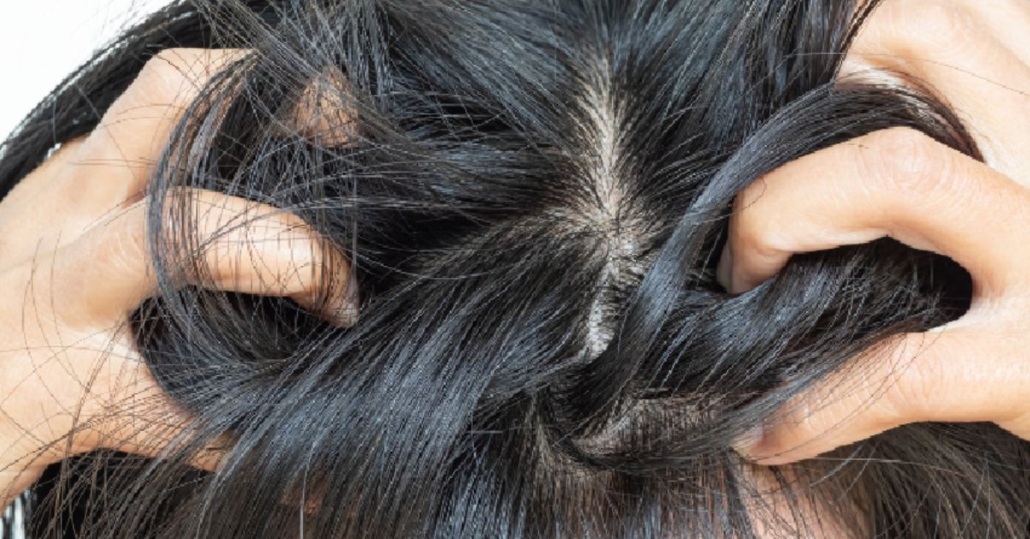
Dealing with an itchy scalp after you just finished a lice treatment can feel frustrating and worrying. Just when you think you’ve gotten rid of the problem, the symptoms continue. However, an itchy scalp doesn’t necessarily mean that lice are still present.
Scalp discomfort can last for several days or even longer after treatment for several reasons. This guide explains why itching can continue after lice treatment, what signs deserve a closer look, and when professional support may help bring the situation to a close.
Itching Does Not Always Mean Live Lice
An itchy scalp after treatment often leads people to assume the infestation never cleared. In reality, the scalp may stay sensitive after lice bites, combing, and treatment products.
Lice feed on the scalp, and that process can leave behind irritation that does not disappear right away. Even after the lice are gone, the skin may still react for days as it recovers.
That lingering reaction can feel almost identical to the original itch. For many households, this can make the post-treatment recovery period confusing, so it’s important to inspect the scalp closely.
Scalp Irritation From Treatment Products
Some treatment products leave the scalp dry, tight, or inflamed. Strong formulas, repeated applications, and harsh ingredients can all make itching worse instead of better.
Choose all-natural, sensitive formulas like those from our clinics at Hair Fairies. If you’re looking for products that won’t cause irritation, browse our lice treatment kits and cleansers today.
Healing Skin Can Stay Sensitive
When lice have been active for several days or longer, the scalp may have multiple irritated bite sites. Those spots can stay tender and itchy while the skin heals.
Scratching also prolongs that healing process. The more the scalp gets disturbed, the longer the irritation may last. As difficult as it can be, avoid itching the scalp as much as possible to minimize worsening irritated spots or sores.
This kind of itching usually fades gradually instead of getting more intense each day. A worsening itch, on the other hand, deserves a closer inspection.
Some Lice May Have Been Missed
Lice move quickly, and thorough removal takes patience, lighting, and technique. A rushed comb-out can leave a few live bugs behind, especially near the nape of the neck and around the ears.
A small number of missed lice can restart the cycle. In that situation, itching may continue and new eggs may appear over the following days.
That is one reason professional lice removal remains valuable for many families. Hair Fairies built its services around meticulous removal methods, trained technicians, and 100% guaranteed treatments, all designed to reduce the chance of missed lice and incomplete care.
Reinfestation Can Happen Quickly
Sometimes treatment works, but exposure happens again soon after. A child may return to school, share close contact with a friend or sibling, or come into contact with someone who still has live lice.
That can make it seem like the first treatment did not work. In reality, the original infestation may have cleared before a new one began.
Households should also think about whether everyone in close contact received screening. One untreated family member can keep the problem circulating, which is why we recommend inspection and treatment for everyone involved.
Other Scalp Conditions May Be the Real Cause
Not every itchy scalp points to lice. Dry skin, dandruff, eczema, psoriasis, and product buildup can all cause similar discomfort.
That overlap creates confusion, especially after a recent lice episode. Once people start checking the scalp constantly, every small sensation can feel suspicious.
When no live lice appear during a careful inspection, another scalp issue may be responsible. In those cases, the next step may involve treating irritation rather than repeating lice treatment.
What To Watch for After Treatment
A close scalp check gives better answers than itching alone. Instead of guessing, look for signs that help separate healing skin from an active infestation.
Helpful clues include:
- live lice moving on the scalp
- new nits close to the scalp
- redness or rash from irritation
- scratching that seems to intensify each day
- similar symptoms in other household members
This kind of review helps families avoid unnecessary panic. It also helps prevent repeated treatments that may add more irritation without solving the actual issue.
Why Follow-Up Matters
One treatment day does not always end the process. Many families benefit from a structured follow-up check to confirm whether the scalp is improving or whether more removal is needed.
That approach matters because post-treatment itching often sits in a gray area. A professional assessment can bring clarity when households feel stuck between worry and uncertainty.
When Professional Help Makes Sense
Expert support may be the best next step when itching continues and no one feels confident about what the scalp check shows. That is especially true when a household has already tried home treatment without clear results.
Families looking for head lice treatment in Charlotte, NC who want reassurance, thorough inspection, and a clear plan can visit Hair Fairies for professional service. Hair Fairies offers both in-salon and mobile care options, along with kid-friendly service.
At-Home Products Can Support the Process
Sometimes the next step involves better support at home rather than another harsh treatment. Gentle, effective products can help families manage scalp care, combing, and cleaning routines without adding unnecessary irritation.
Hair Fairies also offers at-home lice treatment products, including kits and cleansers, for families who want a more supportive home care option. Our non-toxic options are a safer and more effective alternative to many chemical-heavy over-the-counter products.
A Calm, Careful Response Works Best
An itchy scalp after lice treatment can feel discouraging, but it does not automatically mean treatment failed. In many cases, the scalp simply needs time to recover from bites, irritation, and the treatment process itself.
The best response involves checking the scalp carefully, watching for signs of live activity, and avoiding repeated harsh treatments based on itching alone. When uncertainty lingers, professional guidance can save time, reduce stress, and help families move forward with confidence.
For local families who want trusted support, Hair Fairies remains a reliable resource with decades of experience, guaranteed treatment, and a full range of salon, mobile, and at-home care options. Whether the need involves an inspection, a fresh treatment plan, or supportive kits and cleansers, our expert help can make the next step much clearer.