The Fascinating History of Head Lice Removal
Head lice are tiny, wingless insects that have lived on human scalps for ages. These persistent parasites feed on small amounts of blood and attach their eggs to hair shafts. Humans have sought relief from the itching and discomfort they cause for centuries.
The struggle against head lice is a shared human experience that transcends culture and geography. Every generation has faced the challenge of removing these unwelcome guests from their hair and homes. Studying the history of lice removal reveals much about how hygiene and removal methods have changed over time.
Ancient Methods of Lice Removal
Ancient civilizations developed unique methods to combat head lice. Egyptians, known for their cleanliness, took extreme measures—priests shaved their entire bodies to prevent lice. Ordinary citizens relied on natural remedies and fine-toothed combs, some of which were discovered in tombs, proving physical removal was a key strategy.
In the Roman Empire, oils and ointments were common treatments. Wealthy Romans used stavesacre seeds mixed with oil to poison lice. Although, some close quarters locations caused infestations to spread.
In ancient China, chemical mixtures were used to eliminate lice, reflecting the desperation to combat infestations. Safer herbal alternatives, like boiled stemona roots, later became popular as hair treatments.
Perception of Lice
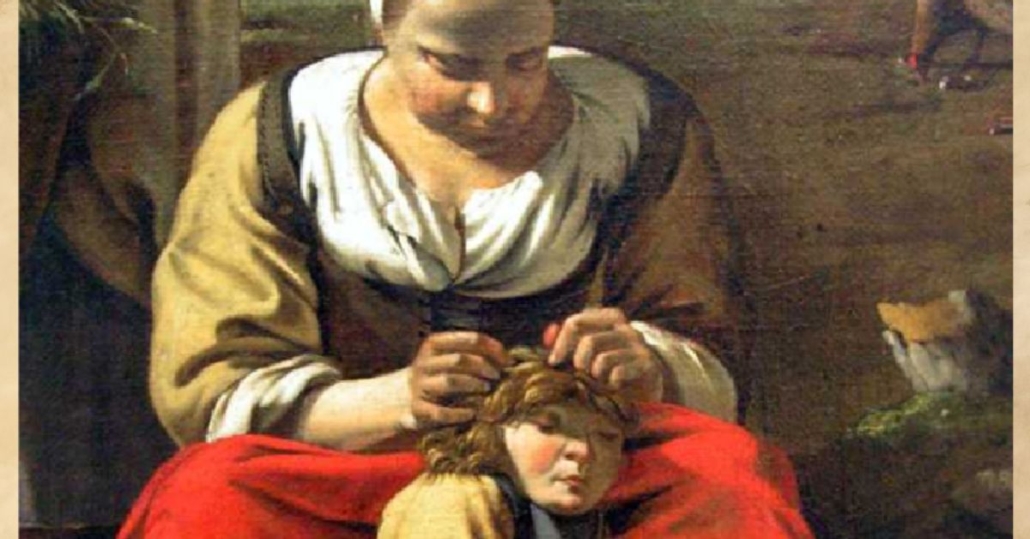
Lice affected all social classes, including royalty, with servants often tasked with removing lice from wigs and hair. The link between lice and disease, such as typhus, wasn’t understood, allowing infestations to contribute to widespread outbreaks. Some religious figures even saw lice infestations as a test of humility, discouraging treatment among certain monastic groups.
Techniques of the Victorian Era
The Victorian era saw a mix of folk remedies and emerging science in lice treatment. Families often used kerosene to suffocate lice, an effective but highly risky method. They also used vinegar to loosen the glue holding nits to hair, requiring parents to soak and thoroughly comb children’s hair with patience.
Metal nit combs became more refined, with tightly spaced teeth making lice removal more efficient. Lice infestations carried a strong social stigma, seen as a sign of poverty and poor hygiene, leading families to conceal outbreaks. Schools began regular inspections, with children sent home immediately if teachers found lice to prevent further spread.
Innovations in the 20th Century
The 20th century witnessed the rise of synthetic chemical treatments for head lice. Scientists developed powerful pesticides to kill insects on crops and humans alike. Health concerns eventually led to the banning of these harsh and toxic substances.
Researchers discovered that these chemicals posed serious long-term risks to human health. The focus shifted toward developing safer alternatives for widespread use.
Pharmaceutical companies introduced shampoos containing pyrethrins and permethrin. These over-the-counter products quickly became the standard for treating families at home. They offered a convenient way to kill live lice without complex preparation.
However, lice populations began to adapt to these chemical agents over time. The widespread use of these products led to the emergence of resistant strains. These resistant insects are often referred to as “super lice” in modern media.
Scientists continued to study the biology of lice to find new vulnerabilities. They looked for ways to attack the insect’s nervous system or respiratory system. This research paved the way for the non-toxic treatments we see today.
Modern Approaches to Lice Removal
Today’s parents have more access to safe and effective professional help. Specialized salons like ours at Hair Fairies offer expert removal services without using toxic chemicals. Our lice treatments in Redondo Beach and beyond utilize manual removal techniques to ensure complete eradication.
Experts painstakingly comb through the hair to remove every nit and louse. This meticulous process saves parents hours of stress and uncertainty.
Many families still prefer the convenience and privacy of treating lice at home. High-quality products now exist that avoid the harsh pesticides of the past. For example, the Hair Fairies home kit offers a powerful trio of natural products designed for this purpose.
This comprehensive kit includes a cleanser, a shampoo, and a professional-grade nit comb. The non-toxic formula is safe for children and effective against resistant lice. Following a structured plan ensures the best chance of eliminating the problem.
Manual removal remains the most reliable method for ending an infestation. Combining non-toxic products with diligent combing yields the best results. This approach breaks the life cycle of the louse by removing eggs before they hatch.
Strategies for Prevention and Education
Preventing head lice is always preferable to treating an active infestation. Parents should encourage children to avoid head-to-head contact during play. This direct contact is the primary way lice move from one person to another.
Tying long hair back in braids or buns reduces the risk of lice spreading from head to head. Loose hair provides a bridge for lice to cross to a new host. Keeping hair contained makes it much harder for the insects to latch on.
Discourage children from sharing personal items like hats and brushes. Although lice spread less commonly this way, it remains a possible route of transmission. Teaching children to keep their grooming tools separate helps protect them.
Communities must prioritize education over shame when outbreaks occur. Open communication helps other parents check their children sooner. Hiding an infestation allows it to spread unchecked through a classroom or sports team.
Finally, regular screening at home catches problems before they become severe. Parents should check their children’s scalps weekly, especially during peak seasons like summer, under a bright light. Early detection makes the removal process much faster and easier.
The long history of head lice removal demonstrates our fight against these pests. Methods have evolved from dangerous poisons to safe and natural solutions. We no longer need to rely on toxic chemicals to keep our families healthy.
Science continues to study lice to find even better ways to manage them. Researchers are constantly looking for new compounds that are safe for humans but fatal to lice. If you’re looking for safe and effective treatments for you or your child, visit Hair Fairies today for removal services.
Knowledge remains our best tool in keeping our homes lice-free. Understanding the life cycle of the louse helps us choose the right treatments. We can face this ancient annoyance with confidence and clarity.