
Wigs, Extensions, & Lice
When most people think of lice, they imagine school-aged children. But lice don’t discriminate, and neither wigs nor extensions offer guaranteed protection. In fact, if you wear wigs, weaves, or extensions, you’re still very much at risk for getting lice. Here’s why:
How Lice Work
Head lice are tiny, wingless bugs that live on the human scalp and feed on blood. They spread almost exclusively through direct head-to-head contact. While they can’t fly or jump, they crawl very quickly from one head to another, especially in close environments like schools, theaters, or public transportation.
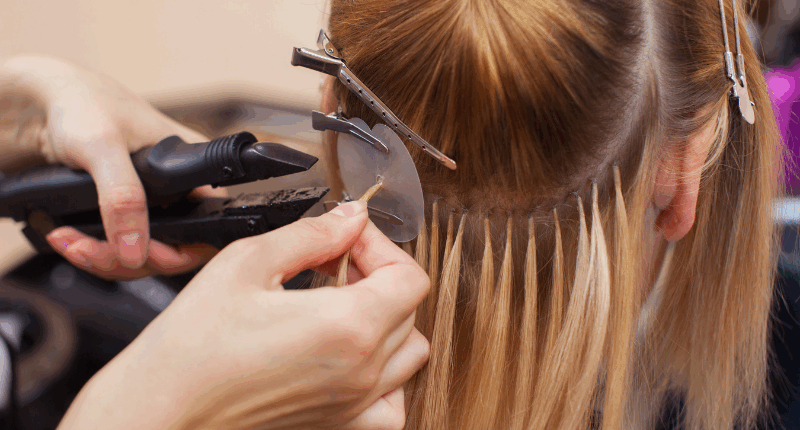
Why Wigs and Extensions Don’t Make You Immune
Contrary to popular belief, wigs and extensions don’t create a barrier strong enough to prevent lice. Here’s why:
1. Lice Target the Scalp, Not Just Hair
Lice need warmth and access to blood to survive. That means they’ll crawl through any hair system—real or synthetic—if they can reach your scalp. If your wig or extensions are attached to your natural hair or scalp, lice can make their way in.
2. Shared Hair Pieces Can Transfer Lice
Borrowing or trying on someone else’s wig, hat, or hair extension is a hidden danger. If the previous wearer had lice, eggs (nits) or live lice could be lurking on the fibers and transfer to your scalp when worn.
3. Installation Tools and Salons
Lice can also spread through shared hair tools, combs, and brushes, especially in salons that don’t thoroughly sanitize their equipment between clients. If lice are present on a brush used during your wig or extension installation, they can easily end up on your head.
If you find lice in your extensions or wig, don’t panic! Our trained Hair Fairies are equipped to handle any lice situation and can help you effectively remove these tiny little bugs.

Welcome to the Hair Fairies blog where we share education, tips, and professional guidance on all things head lice.